

Chapter 1: Access
We Started With Access. We Learned Health Begins Long Before Care.

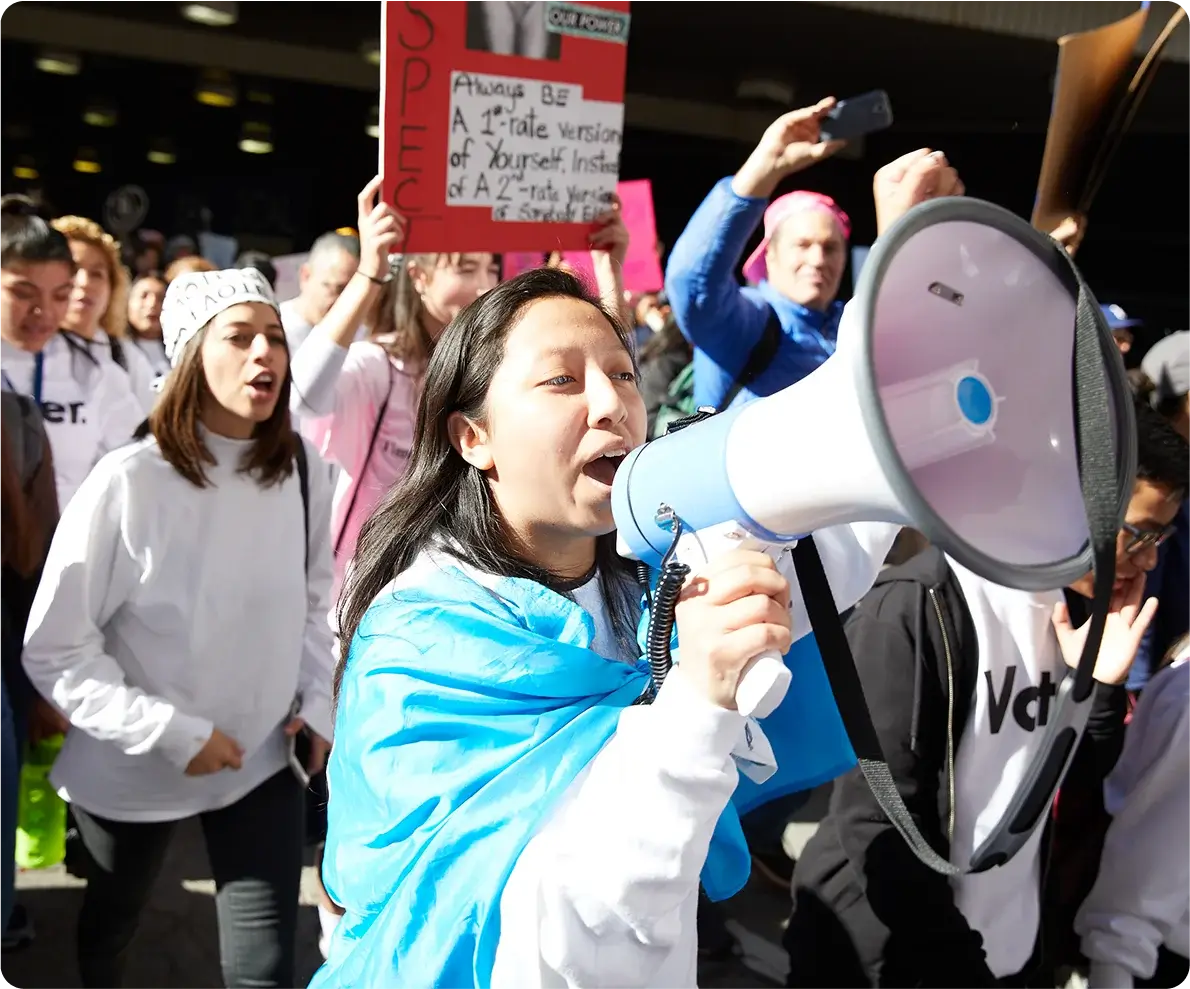
The future of California won’t be built for our communities. It will be built by our communities.


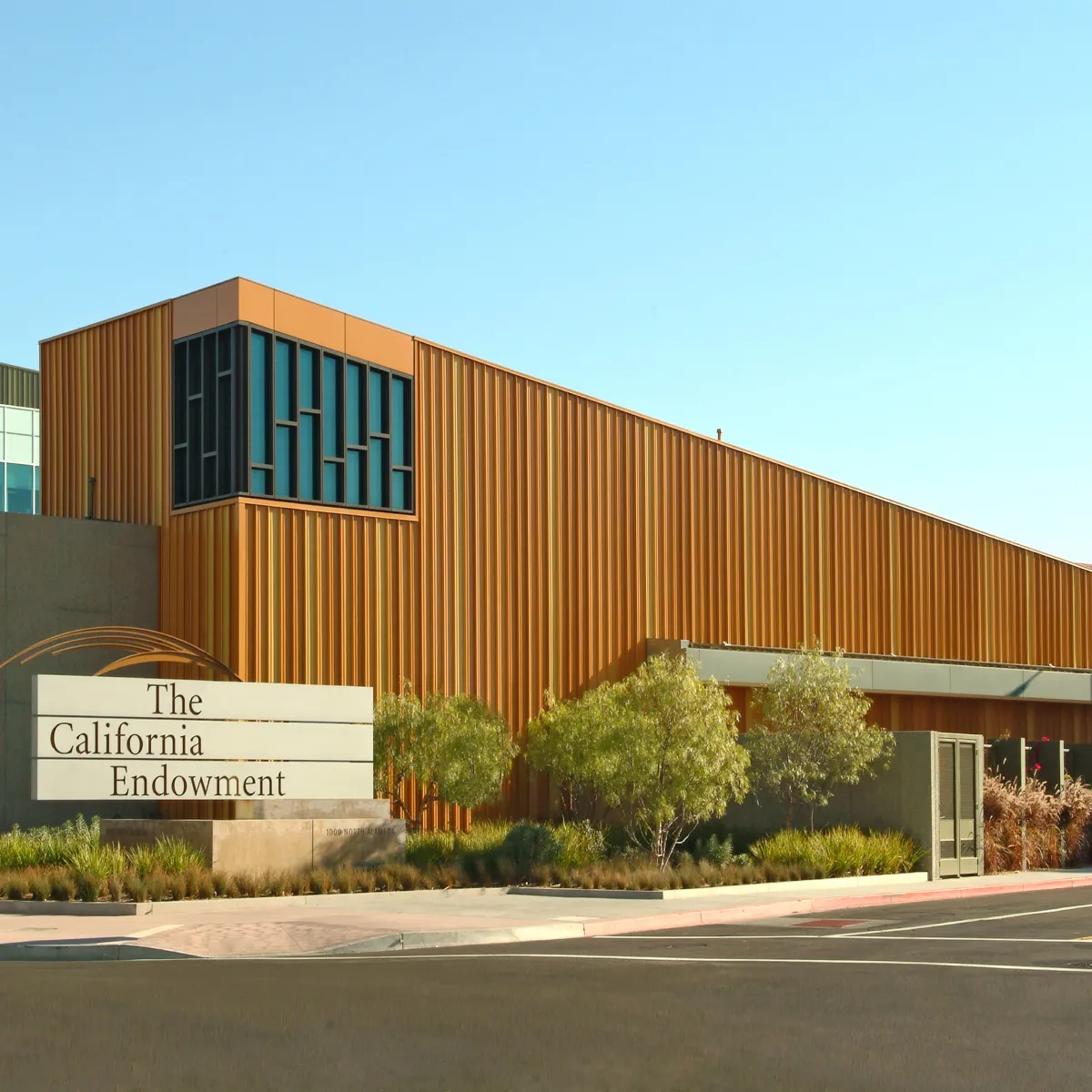


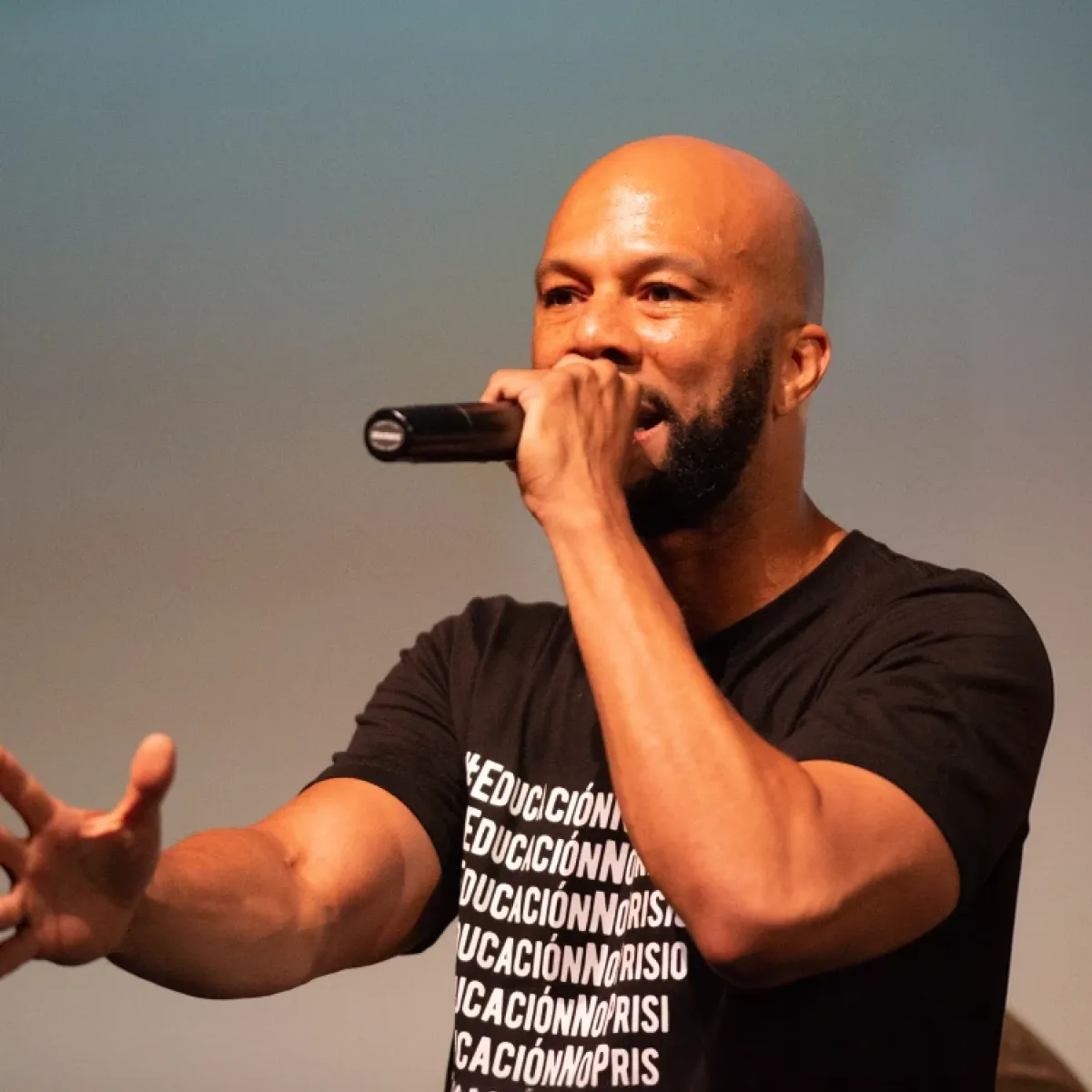
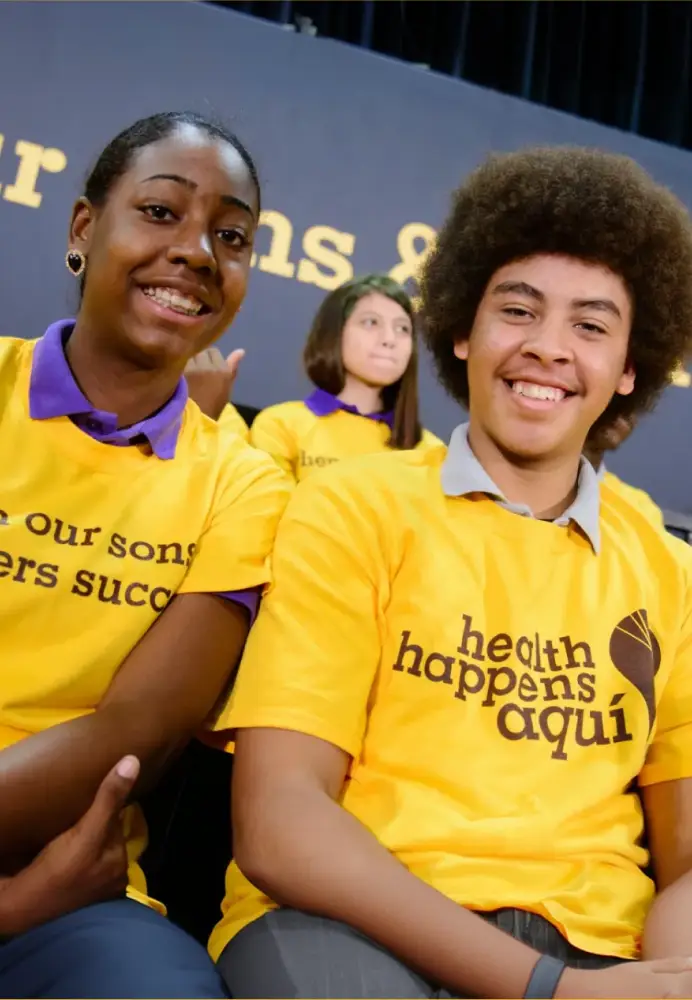
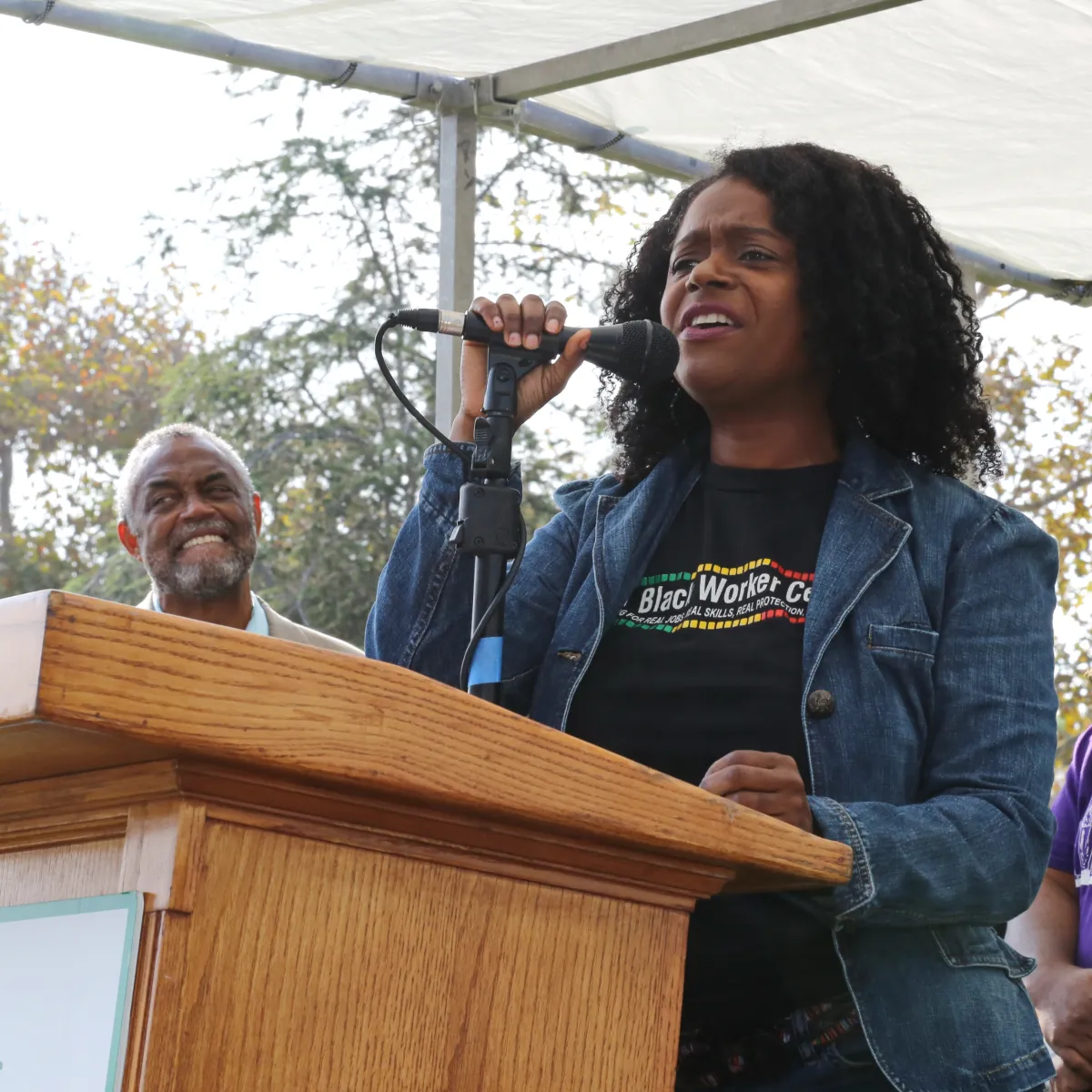
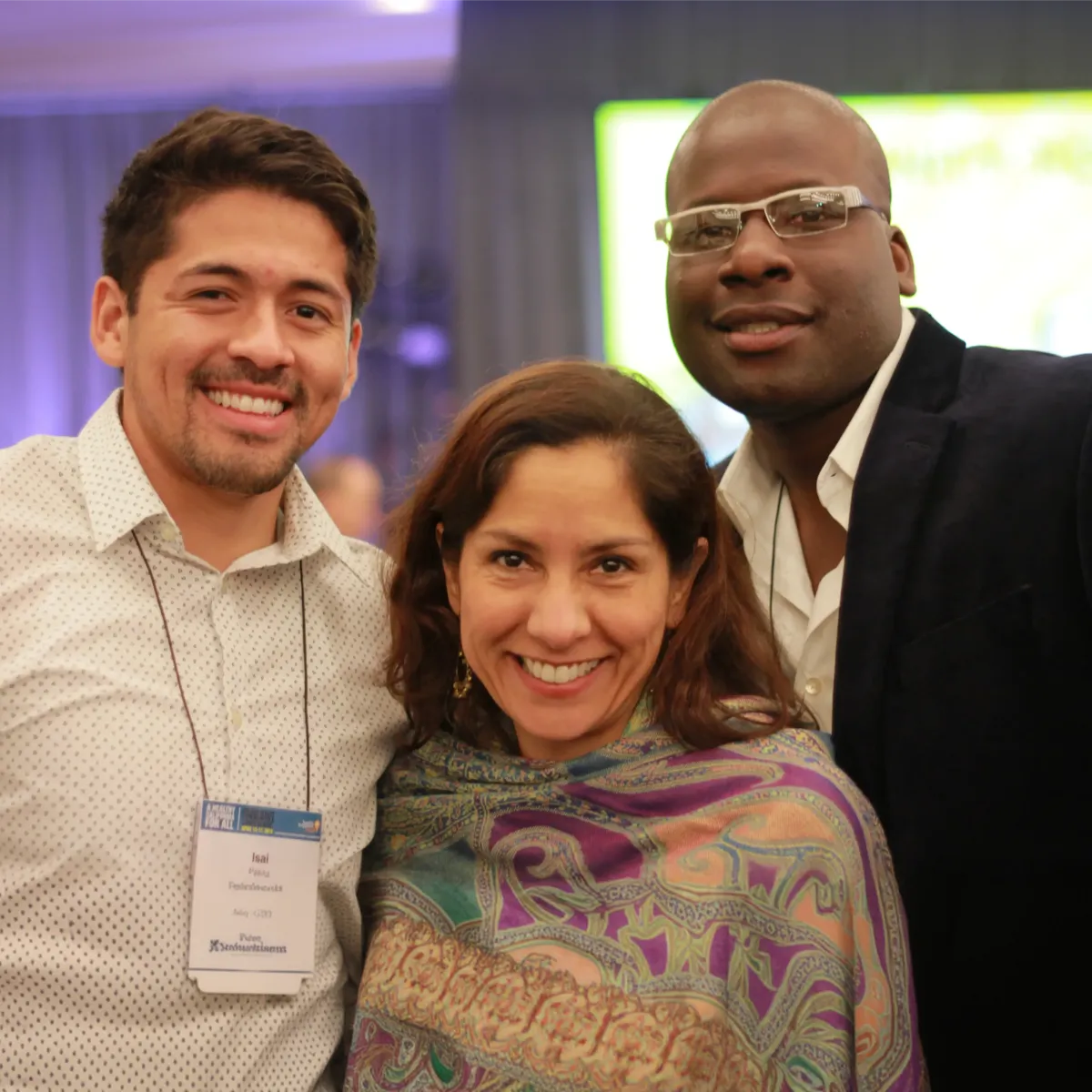
For 30 years, The California Endowment has listened to communities and worked alongside people and organizations across California to advance health and racial equity, guided by a simple, unshakeable belief: your ZIP code should not determine how long or how well you live.
Yet in California, and across this country, it still does.
Our work began with access to care. Clinics, health workers, advocates, parents, and young people taught us that care is essential — but it was never enough, because the deepest health gaps in this state were never accidents. They were built by decades of policy choices that treated communities differently based on race: lending practices that decided which neighborhoods got investment and which didn't, school funding tied to those same neighborhood lines, environmental hazards concentrated in some neighborhoods far more than others, and a justice system that pulled too many parents and young people away from their families.
Health is shaped by whether people have safe and stable housing, good schools, economic security, clean air and water, trusted information, a sense of belonging, and a meaningful say in the decisions that affect their lives.
That understanding changed what we funded and how we worked. We invested beyond the walls of clinics and into the conditions that created those gaps. We made longer commitments, because undoing structural harm doesn't happen on a grant cycle. We simplified requirements, because the communities doing this work shouldn't have to fight our paperwork on top of everything else. We resourced residents and local leaders who were already organizing to change the conditions affecting their own health, because they are the experts on their own lives, and the protagonists of this story were never us.
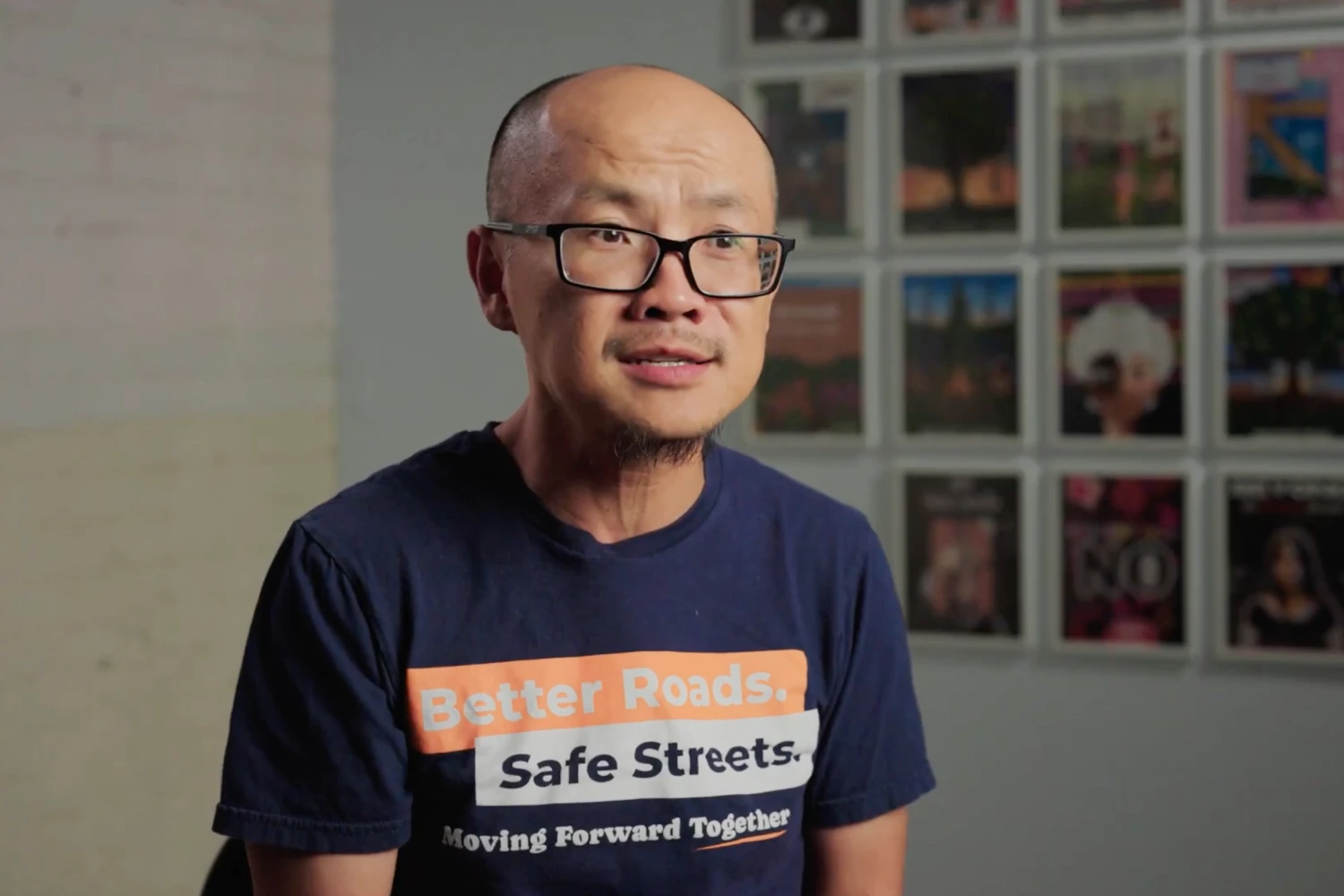
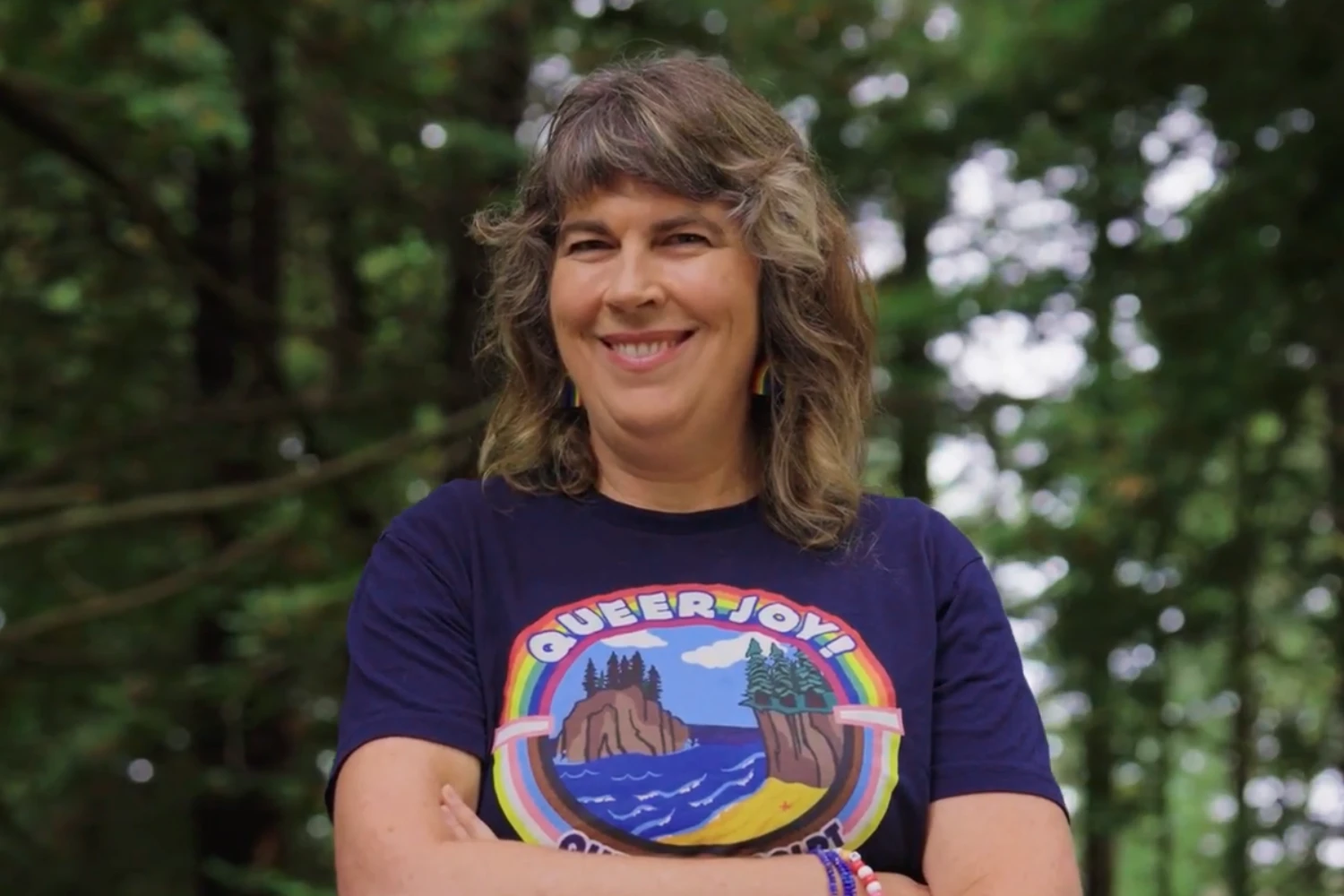
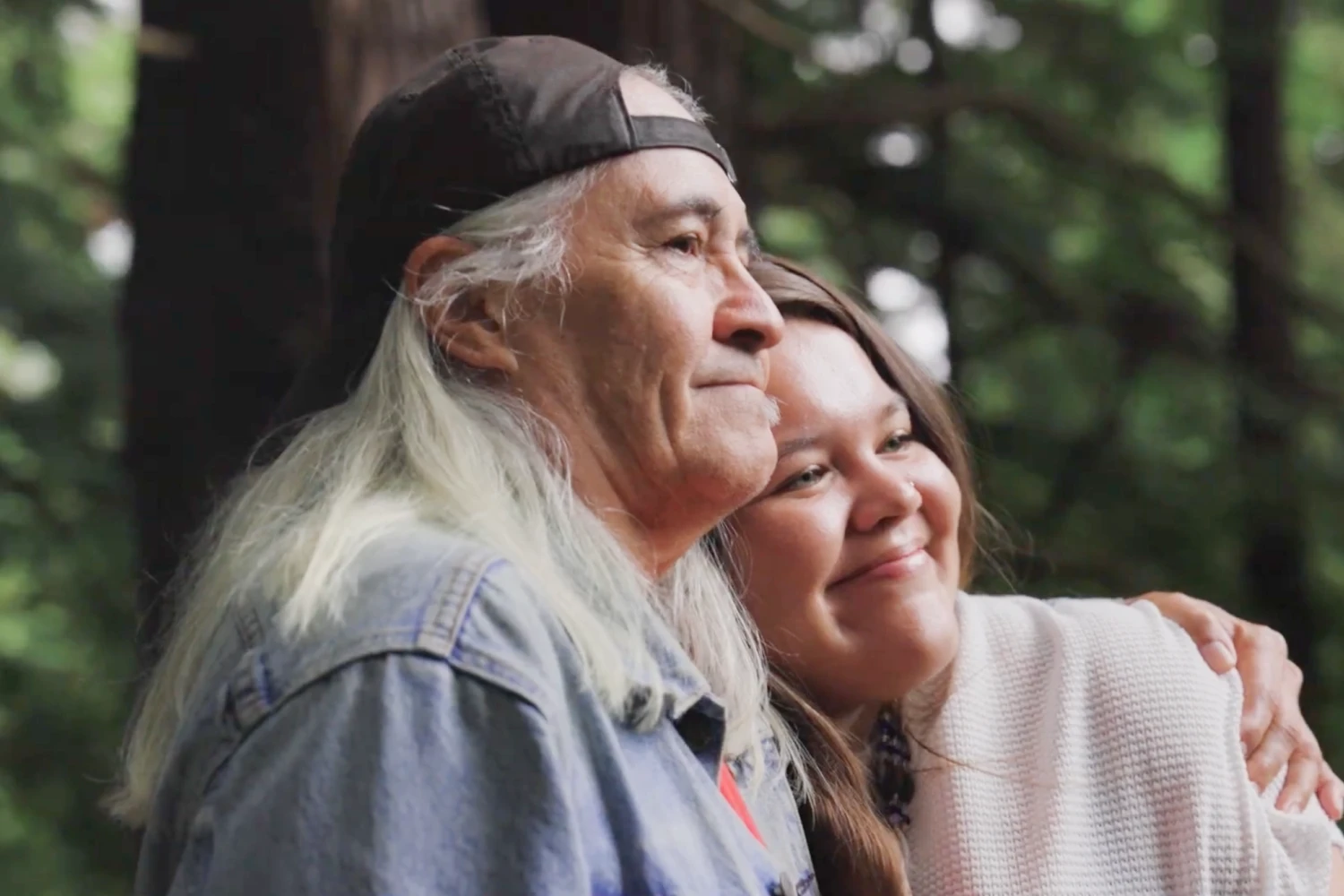
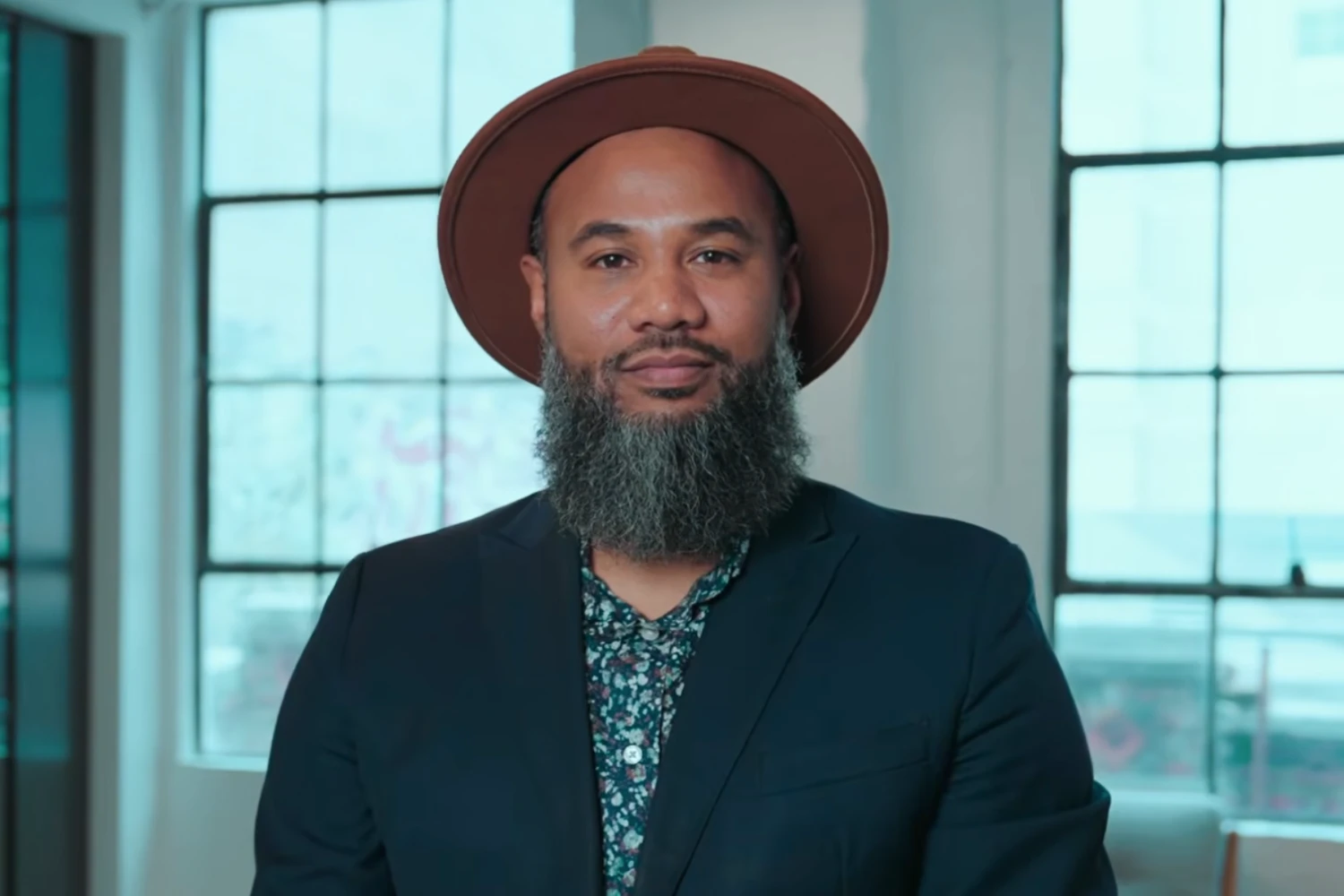
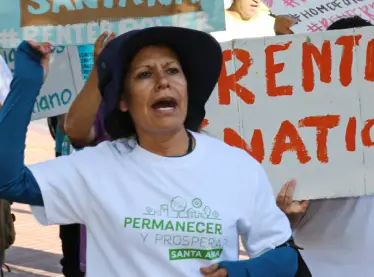
“We live in those communities. Folks know what's happening in those communities.”
How we got here, in four chapters.
Chapter 1: Access
Chapter 2: LONG-TERM PARTNERSHIP
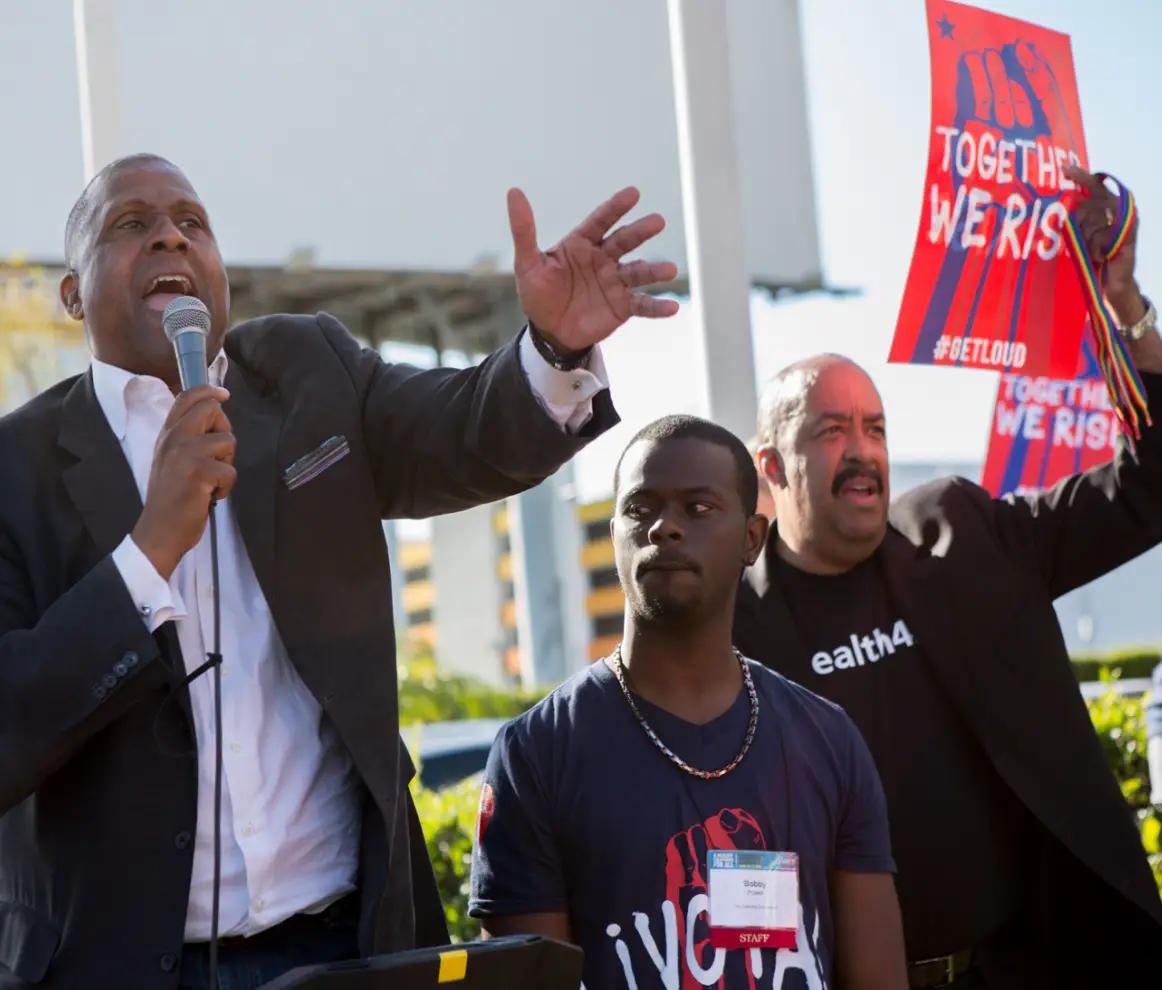
Chapter 3: USING MORE OF WHAT WE HAVE
Chapter 4: BUILDING A MORE EQUITABLE CALIFORNIA

30 Years By the Numbers
$5.4 B
Invested in the conditions that shape health
32,820
Awards to organizations across California
6,667
Community partners creating change
The Past Decade of Grantmaking
Investing boldly to fuel bold solutions
Standing with communities for lasting change, not just short-term wins
Putting more resources to work for a healthy, prosperous California
Now California is facing a different kind of moment. The attacks on racial equity are explicit, well-funded, and moving rapidly through courts, statehouses, and school boards. The pressures on the communities we serve are faster, more hostile, and more complex than they were even a few years ago.
Black, Brown, and Indigenous people continue to face barriers to health, safety, and opportunity. Immigrant families are being targeted. LGBTQ+ people are fighting the erosion of hard-won protections. Civic institutions, trusted information, and the right to participate in public life are under growing pressure.
There does not need to be another report. There doesn't need to be another initiative. The only thing we need is long-term commitment. We need to invest in movements, in leadership, and people that create that next generation.
Native communities are doing everything for ourselves and philanthropy just doesn't really always recognize that. They always want to come up with the best way to fix the world, and whole time we've been fixing the world since everyone else broke it. If philanthropy actually wants to see the solution to these big long-term issues, then they need to make a big long-term investment in us because we're the ones who've been leading this work forever.
The future of California won’t be built for our communities. It will be built by our communities.
Download Report
In 2025, TCE supported organizations working across California to improve health and expand opportunity.
$322M — In grants
1,010 — Grants
671 — Partners
Our complete audited financial statements provide additional information about TCE's assets, liabilities, activities, and cash flows.
The organizations TCE supported in 2025 reflect many different places, priorities, and approaches. Together, they help people get care, strengthen economic opportunity, protect rights, share trusted information, and participate in the decisions affecting their lives.
Consolidated Statements as of December 31, 2025 and 2024, and for the Year Ended December 31, 2025 and the Period from April 1, 2024 to December 31, 2024 (in thousands of dollars)
Liabilities
Message From Our President
Our 30th anniversary is an invitation to listen more deeply, lead with greater humility, and recommit ourselves to the healthier, more just future California’s communities have long been working to build.
Whatever progress we have been part of belongs to the communities that organized, advocated, cared for one another, and insisted that a different California was possible.
Those communities have been our teachers. They have shown us that resilience is not a slogan, but daily acts of courage, creativity, and collective care.
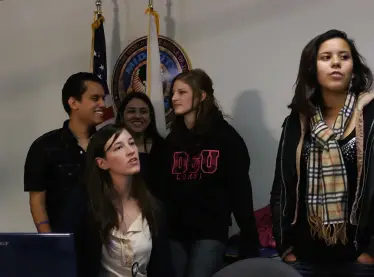
I think of a young man who told me how he and his friends helped people held in a detention center by raising money for calling cards so they could connect with their families. It was a simple act with profound meaning: young people saw what their neighbors needed and responded with care.
The challenges of today are daunting. Families are navigating fear and uncertainty. Organizations are being asked to do more with less. Safety net services are strained, and the systems meant to support health, dignity, opportunity, and belonging are not meeting people’s needs.
For many Black, Brown, Indigenous, immigrant, LGBTQ+, and low-income communities, these pressures shape whether families feel safe, whether people can get care, and whether communities have a real voice in the conditions that shape their lives.
And yet, communities are not defined by what they are up against. They are defined by their vision, relationships, persistence, and love for one another. Even in hard moments, they continue to organize, protect, imagine, and build.
Our partners have been clear: this moment requires urgency, flexibility, trust, and longer-term support. Listening must shape our strategies, grantmaking, investments, partnerships, and use of voice.
That also means continuing to support community power. Health depends on people having a say in their schools, housing, neighborhoods, care, safety, and environment. Voting, advocacy, organizing, storytelling, and civic participation are part of how communities build lasting change.
Our history gives us a foundation, but it does not give us permission to stand still. If our first 30 years taught us anything, it is that the path toward health equity is shaped by the people closest to the work, the harm, and the solutions.
30 years from now, I hope people look back on this period as a time when we listened closely, acted with courage, and became a more useful partner to California’s communities.
To our grantees, partners, and everyone strengthening our communities: thank you. Your leadership calls us to keep learning, listening, and doing more.
With gratitude and hope,
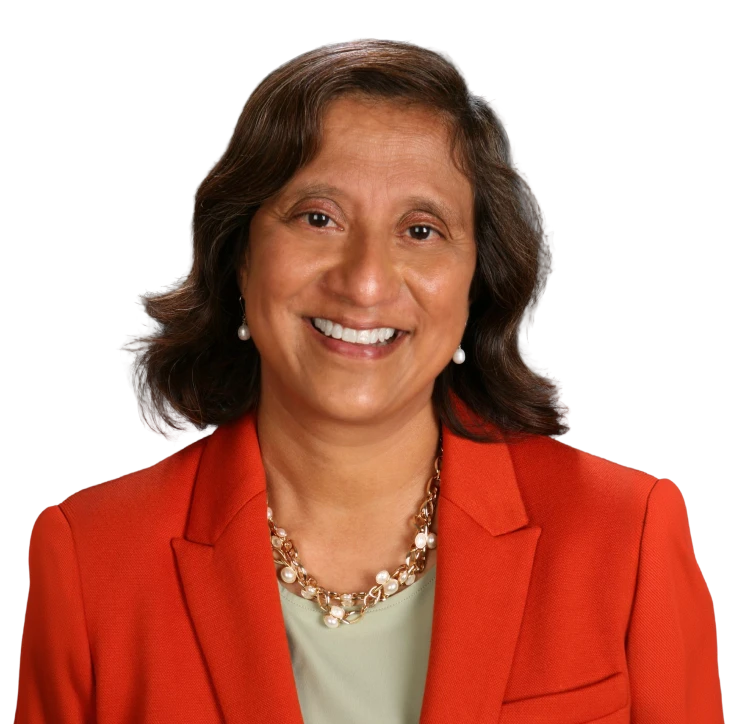
Brenda Solórzano
President and Chief Executive Officer
The California Endowment
Message From Our Board Chair
An anniversary invites us to look back. This one requires us to look forward.
For 30 years, The California Endowment has worked alongside communities across California. What matters most is what we have learned — and what we are willing to do differently because of it.
I spend a lot of time listening.
I listen as a physician, as a member of my community, and as chair of the board of The California Endowment. Those roles have taught me that people will tell you what they need — but only if they believe you are truly prepared to hear them.
In my exam room, patients may come in for diabetes or high blood pressure, but often the conversation begins somewhere else: with fear about immigration enforcement, concern for family, housing, safety, or belonging. Health is about much more than health care.
Serving on this board has also taught me that listening is about more than asking a question. Philanthropy comes with power. When people learn I sit on the Endowment’s board, they may become more cautious about what they say.
So I try to make my role clear: I am not there to tell communities what they need. I need them to tell me.
And when people feel free to speak honestly, the message is clear. Communities already have knowledge, leadership, and solutions. They need partners willing to listen, trust them, and stand alongside them.
That lesson should shape our next 30 years.
This moment calls for philanthropy that is faster, more collaborative, and more willing to take thoughtful risks. At The California Endowment, we are moving resources more quickly, working with other funders, and looking beyond grants to our investments, land, relationships, convening power, and voice.
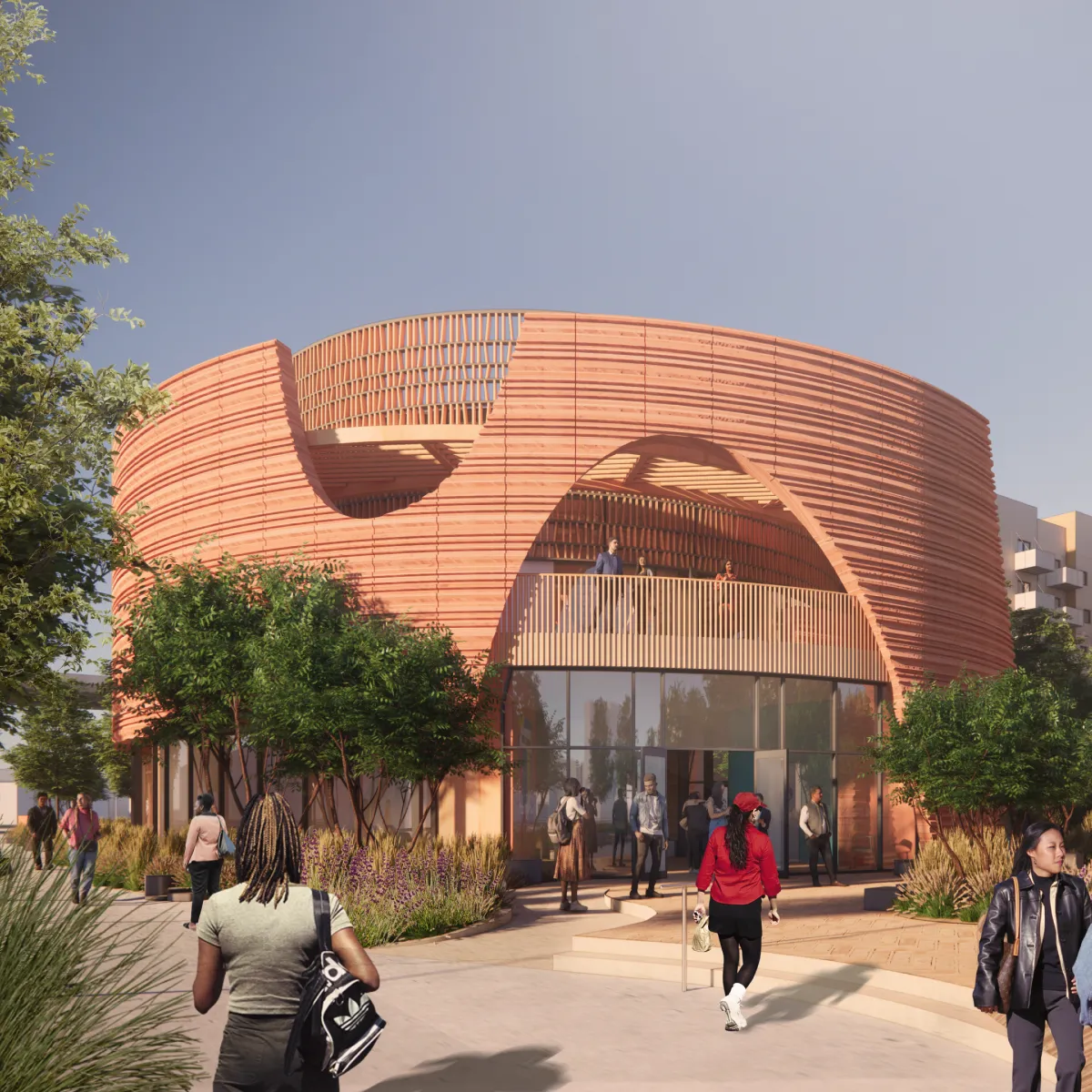
The Robert K. Ross Center for Hope and Healing is one example of that approach. It brings together affordable housing, health and wellness, and alternatives to incarceration around a shared vision of healing, opportunity, and belonging.
Our board has chosen to meet this moment boldly. Communities live with risk every day. Philanthropy cannot ask them to carry that risk alone.
30 years gives us perspective. The next 30 will require courage.
Are we listening closely enough to let communities change what we do?
For me, partnership starts there. We listen. We learn. And then, together, we act.
With gratitude and hope,
Kathy Flores, M.D.
Chair, Board of Directors
The California Endowment
30 Years Celebrated
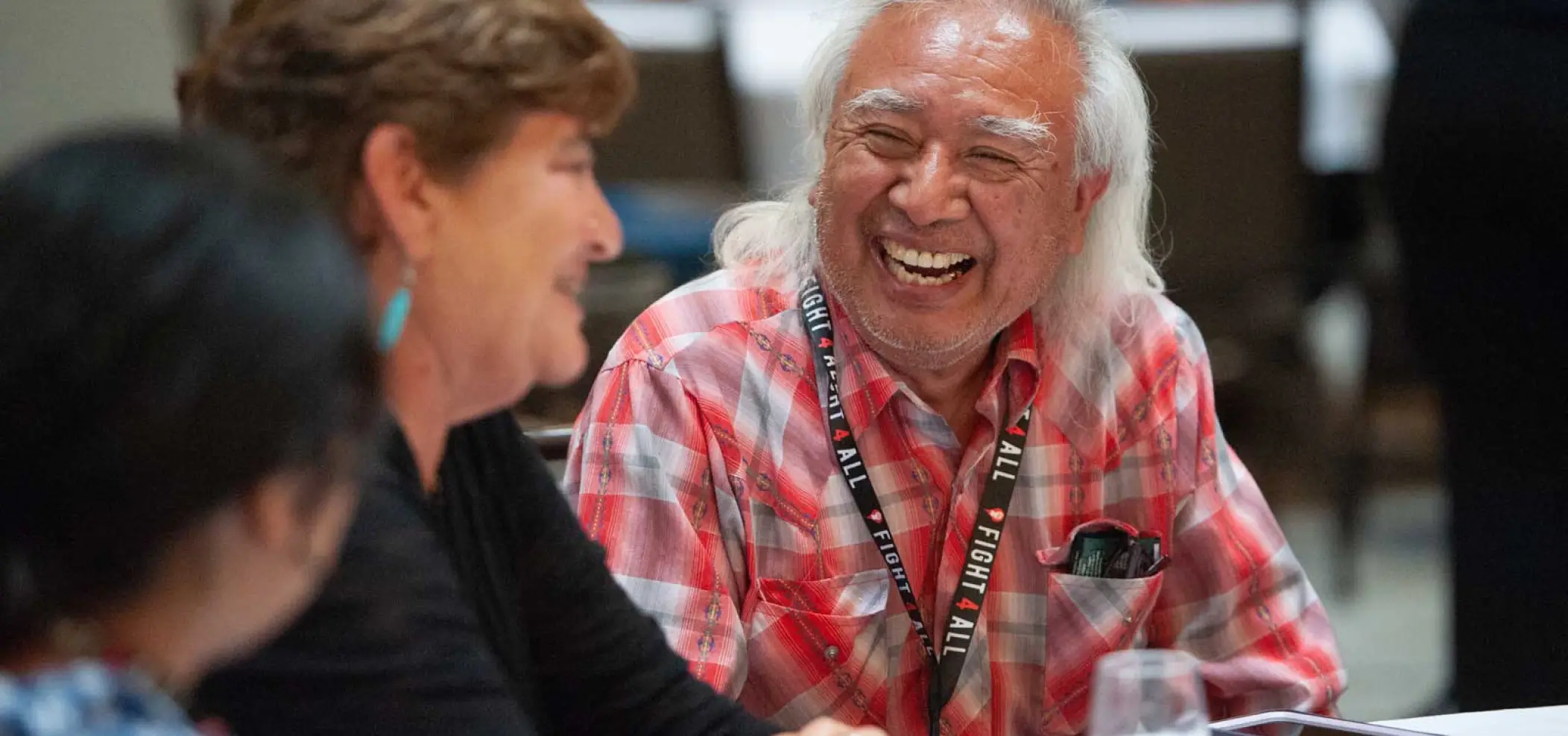
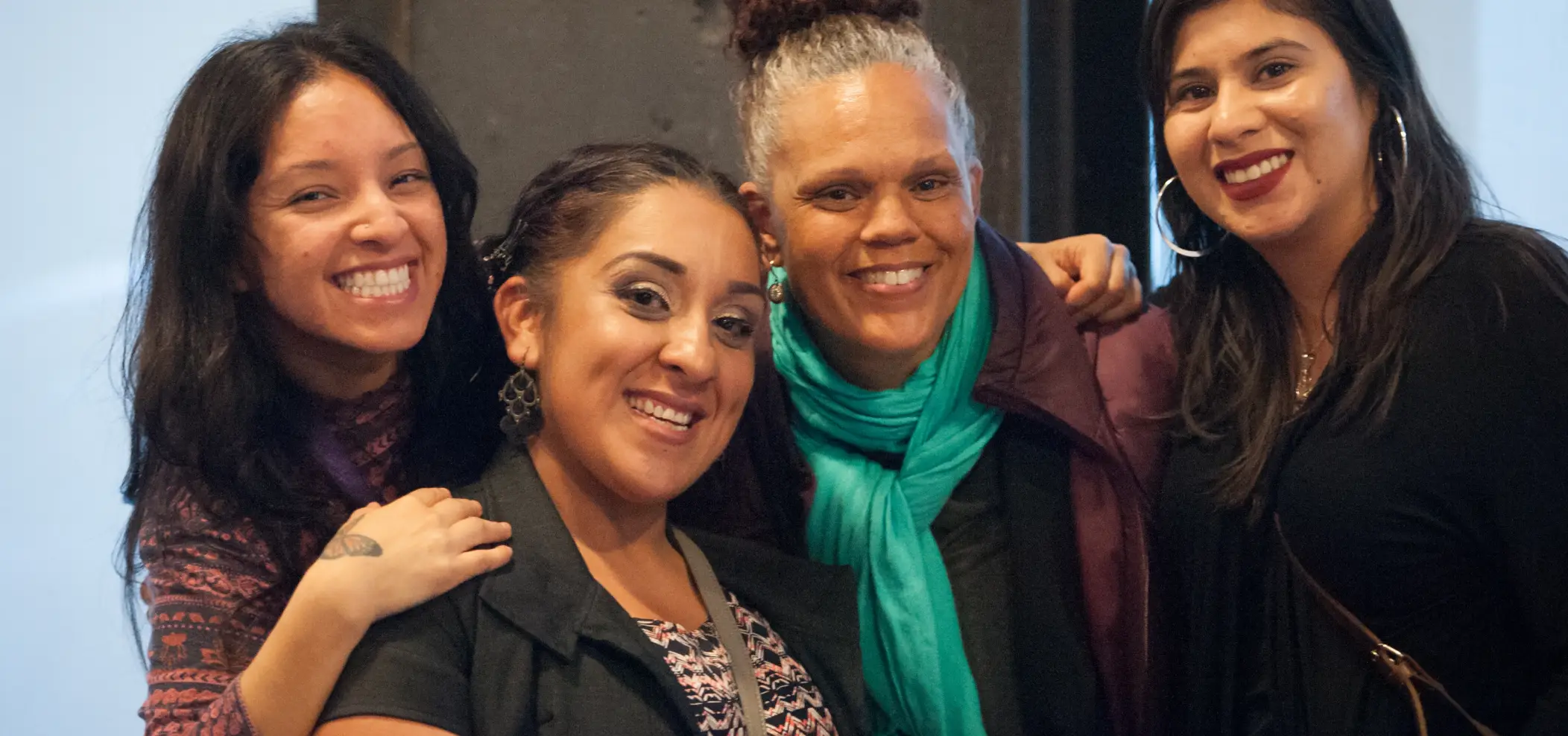
In Los Angeles and Oakland, it was an honor to gather with the people who have made 30 years of The California Endowment possible.
These gatherings were a chance to express our gratitude and admiration for the partners who have been the driving force behind three decades of change. They are also a source of energy as we continue the fight. Because in these times, when we are faced with fear, coming together builds strength.
As we look to the future, we envision a California where every person has the opportunity to live a healthy and prosperous life — and every community can shape the systems and decisions that affect its future.
1 / 28
Chapter 1: Access
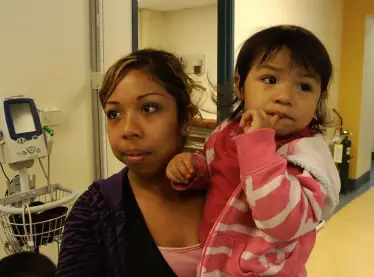
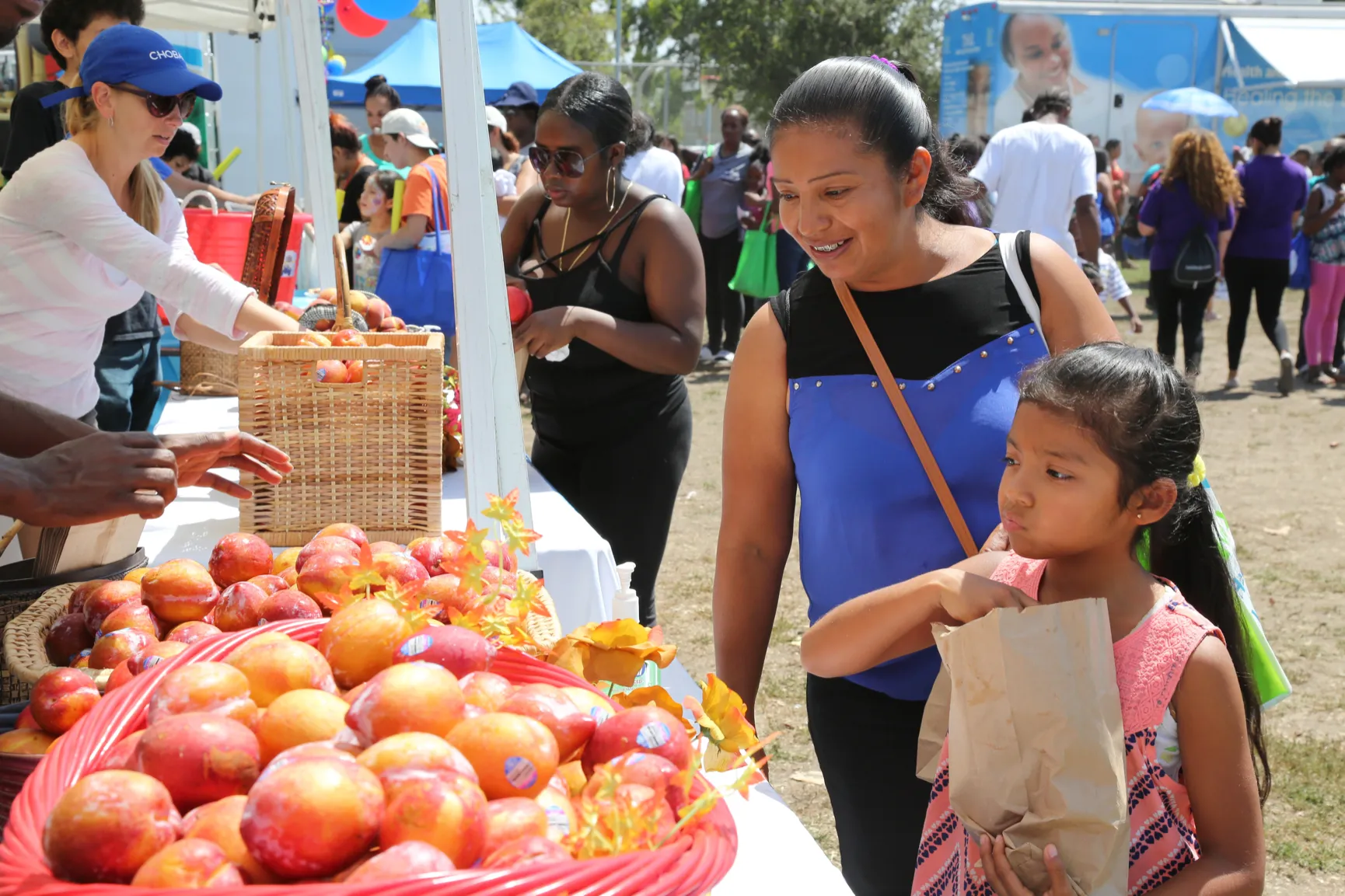
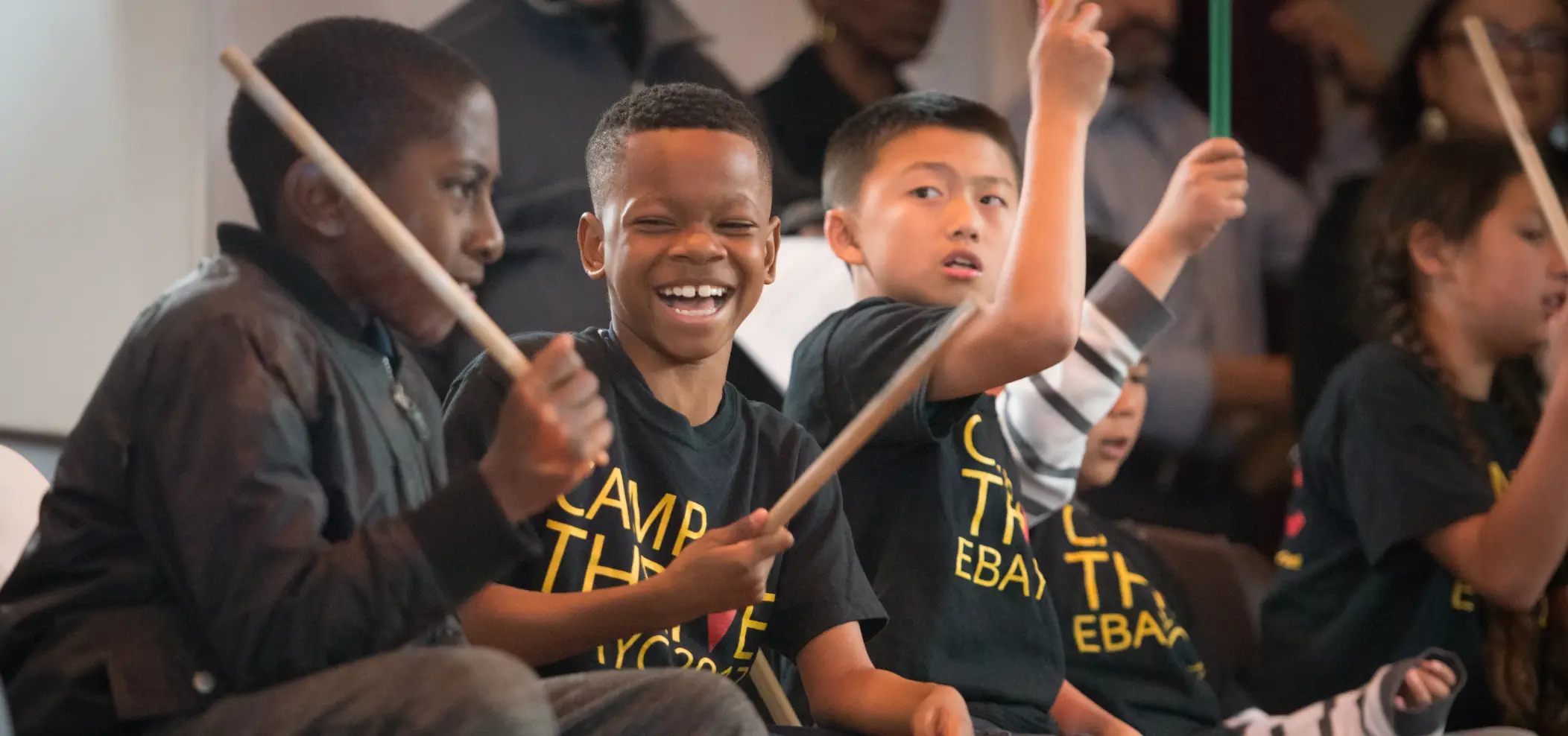
The California Endowment was created in 1996 with access to health care at the center of its mission. At the time, millions of Californians had no reliable way to see a doctor.
Across the state, promotoras and community health workers met people in homes, schools, churches, and neighborhood gathering places. Advocates helped families enroll in coverage and generated support for health policy reforms. Health leaders invested in the people needed to provide care in places where providers were scarce. Community clinics reinforced California’s safety net with modernized systems and a shared voice in clinic policy issues.
As TCE supported this work, those doing it helped us see its limits. An open clinic door does not guarantee that someone can reach it, take time away from work, find care in their language, or trust the system on the other side.
$1.1B
Committed to clinics, coverage, and the health care workforce
1 / 3
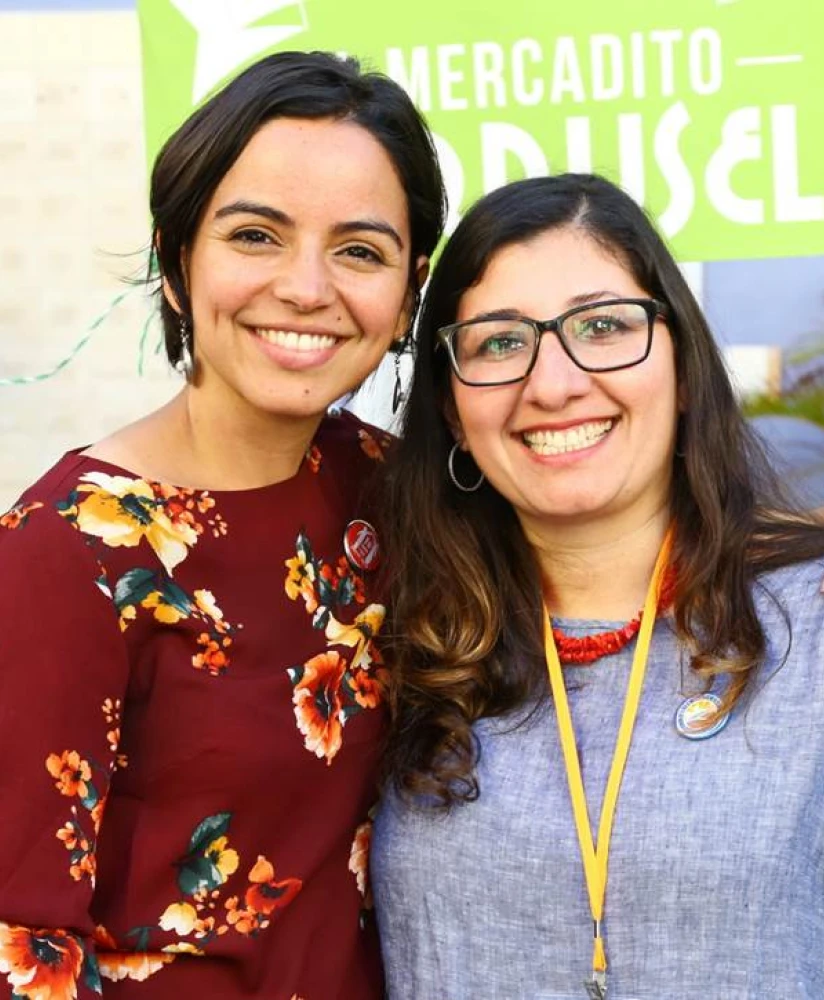

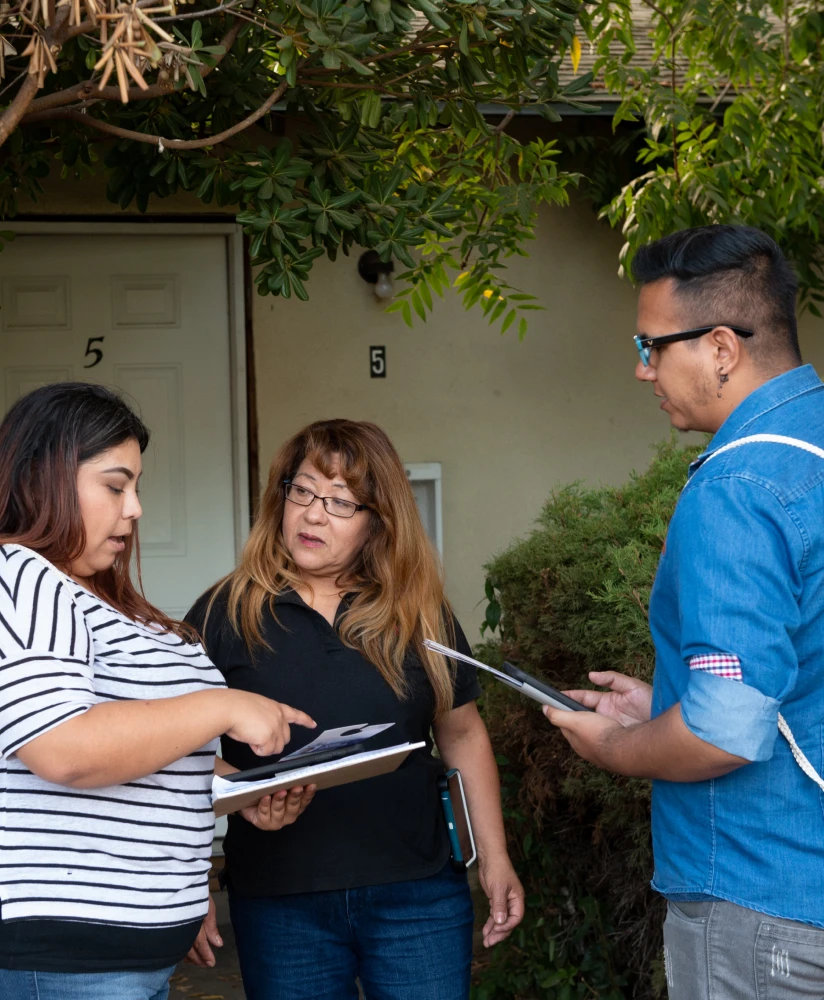
Our partners and grantees helped us understand that access is about more than an appointment. It is about the same everyday conditions that shape health everywhere — housing, schools, neighborhoods, economic security, civic power, and a sense of belonging — and whether those conditions make it possible to reach care, take time away from work, or trust the system.
We learned to look beyond health care alone. Where people live, learn, work, and belong matters as much as where they receive care.
This meant understanding access as part of something larger — and supporting the people who had understood that connection all along.
Chapter 2: LONG-TERM PARTNERSHIP
Building Healthy Communities (BHC) began in 2010 as a 10-year, $1 billion commitment in 14 places across California.
The premise was simple: lasting change takes time, and the people living with the consequences of public decisions should help shape the response.
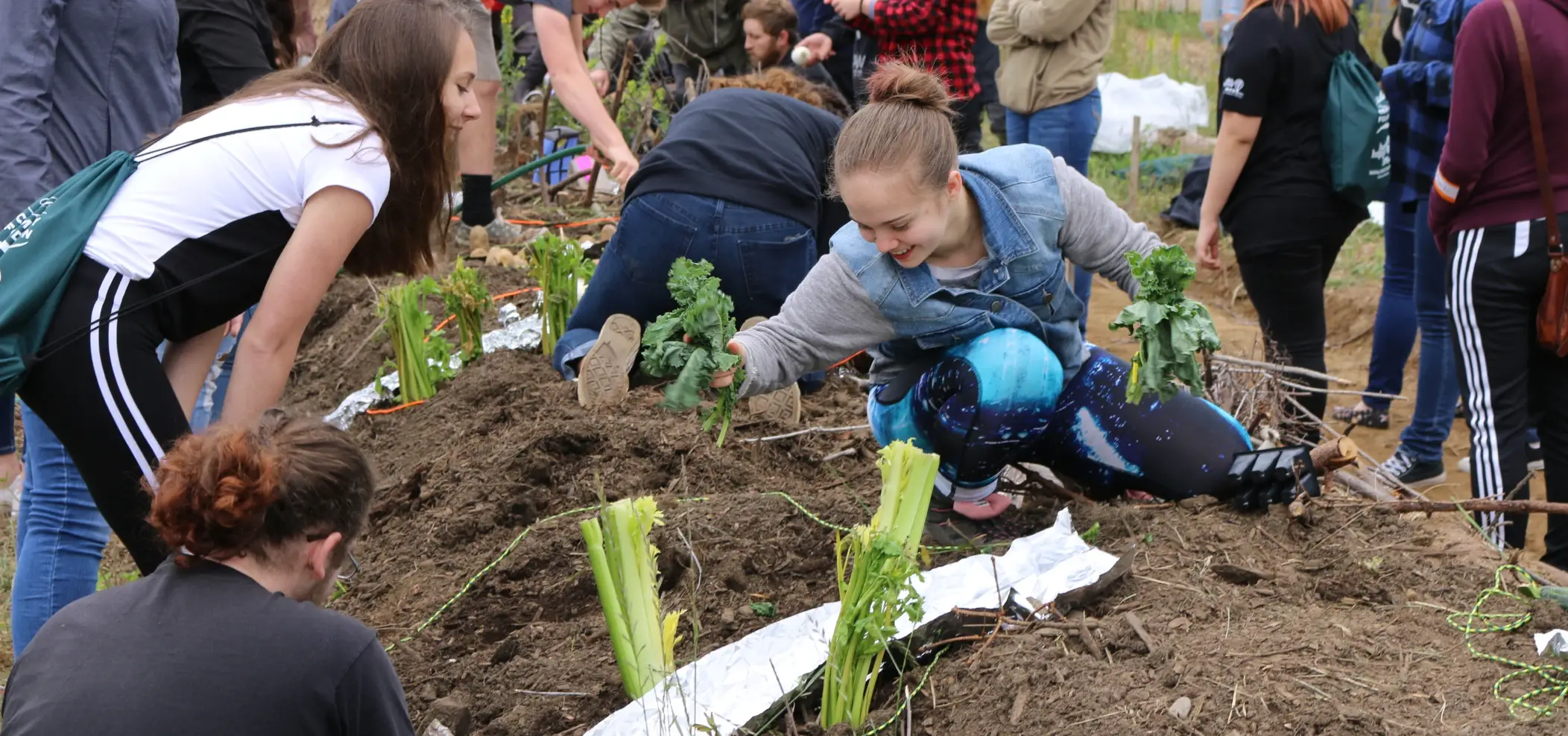
It was the start of TCE’s deep investment in youth-led power building and community organizing, and the approach was not perfect at the start. Partners challenged parts of TCE’s original plan. We listened and adjusted. Local priorities became more central, and residents, young people, organizers, and local institutions led campaigns rooted in their own experience.
14
Places across California
10
Years of sustained commitment
$1B
Invested
1,200+
Policy and systems changes and community improvements led by BHC partners
36M
Californians enrolled in health care coverage since the Affordable Care Act
1 / 4
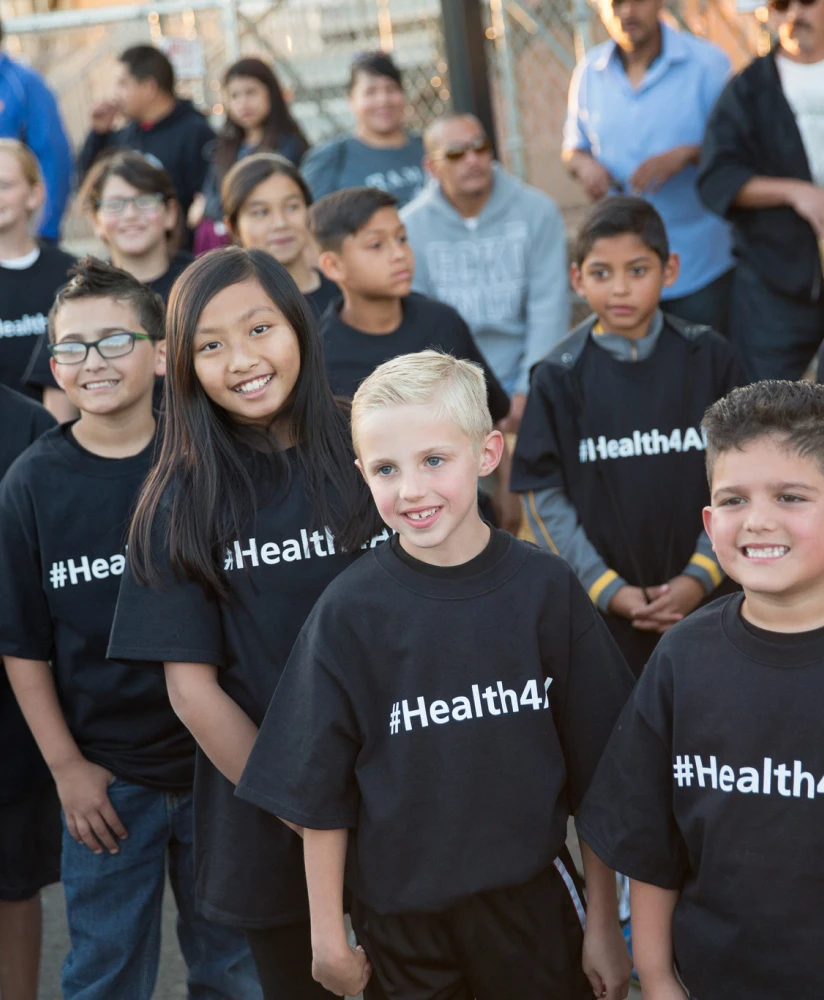
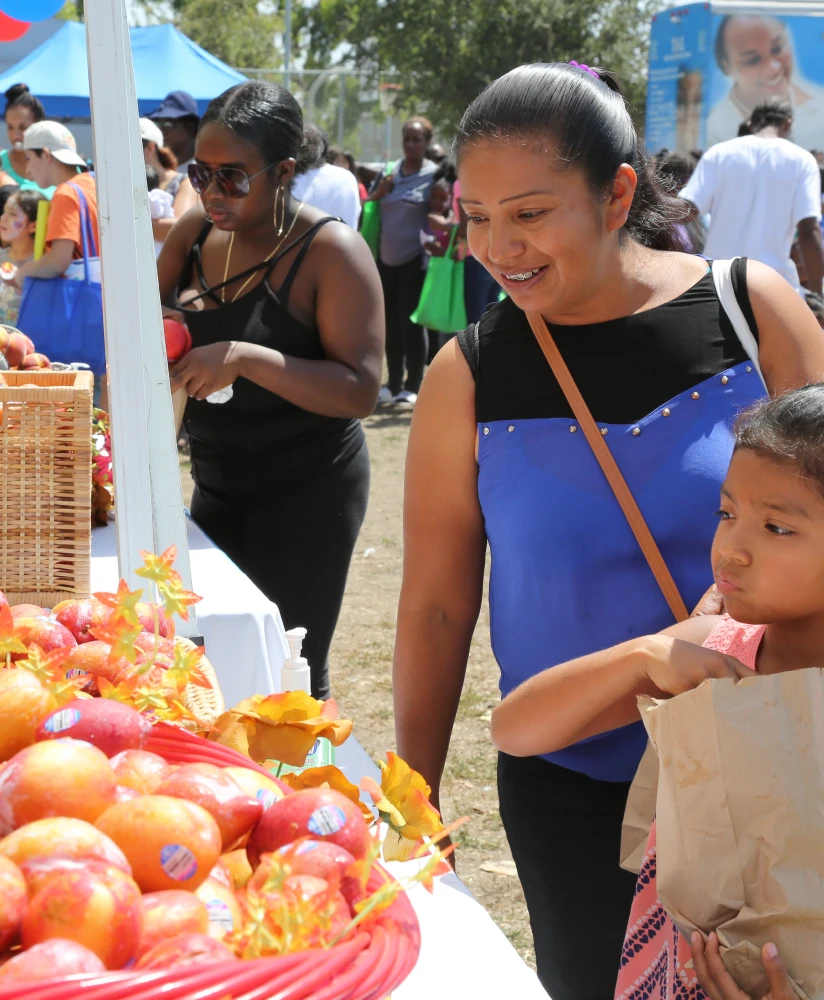
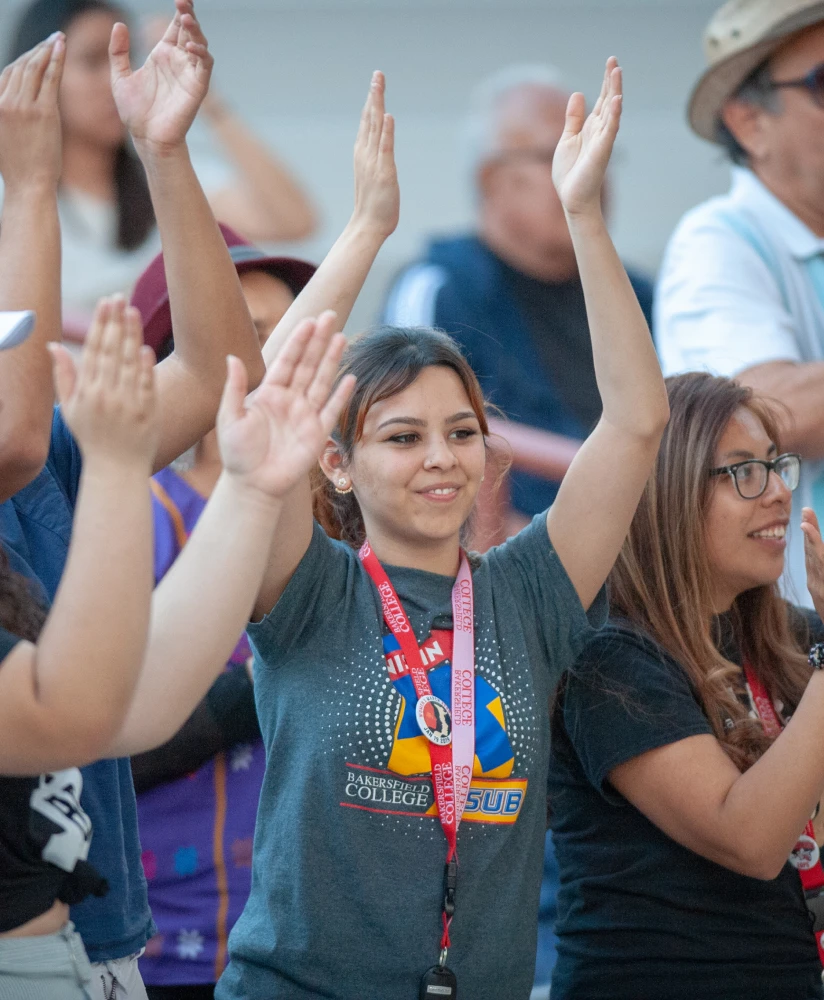
Over 10 years, local partners advanced changes affecting health and opportunity. Young people helped reform school discipline. Coalitions expanded access to care and advanced immigrant protections, environmental health, and neighborhood investment. Residents took on new roles as commissioners, board members, and elected leaders.
The credit belongs to the people and organizations that led the work. TCE funded, connected, and convened the partners who organized, advocated, and made change possible.
Building Healthy Communities also changed TCE. We expanded multi-year and general operating support. We reduced unnecessary reporting. We became more willing to make long-term commitments without prescribing every step.
The lesson was not that TCE should step away. It was that our role had to change — listen more carefully, bring useful resources, stay long enough to learn, and act as a supportive partner rather than the protagonist.
Chapter 3: USING MORE OF WHAT WE HAVE
A foundation's influence extends beyond its grantmaking. Its investments, balance sheet, property, relationships, and voice are also active in the world.
The question is broader than “what should we fund?” What we have learned from communities urges us to also ask: what do we have, and how can we use it in service? TCE has begun expanding how it uses its assets in service of health and racial equity, and more is still on the horizon.
Capital That Works Alongside Grants
Grants provide flexible resources that organizations do not have to repay. Program-related investments are loans and guarantees that get repaid over time, so the money can be reinvested again and again.
Program-related investments matter because they can support communities in ways that grants cannot. For example, an affordable housing project may need patient, early-stage capital to acquire a site before other financing is in place. A grocer bringing fresh food to an underserved neighborhood may need a guarantee that helps unlock other financing. These tools can help organizations own assets, attract additional capital, and plan for the long term.
1 / 2
1 / 2
Chapter 4: BUILDING A MORE EQUITABLE CALIFORNIA
Our history shows what is possible when philanthropy is willing to learn, adapt, and change. The next chapter asks us to go further.
Communities have shown us what it takes to advance health and racial equity, to build opportunity for all Californians, and to meet this current moment. We are answering their call to reimagine philanthropy — to expand how it fuels lasting change by putting every asset to work.
Money & Physical Spaces
As Chapter 3 showed: Gifts, faster funding at critical moments, investments, and physical community spaces
Systems
Moving resources flexibly, faster, and with fewer barriers, and coordinating action across partners
Voice
Amplifying community expertise to influence policy, public understanding, and the field of philanthropy
1 / 2