


BHCMC
From eastside to seaside: building solidarity to create a strong community for all.
Centering Collective Action and the Deep, Raw Labor Behind the Shift
For over 30 years, the Action Council of Monterey County—now known as Building Healthy Communities of Monterey County (BHCMC) — has stood as a foundation in times of need and served as a springboard in moments of possibility.
Born out of resilience, BHCMC has become a home for community-led transformation, organizing, healing, and movement building.
The seeds of this movement were first planted in East Salinas Building Healthy Communities site, going back 15 years now before merging with Action Council, where systemic inequities were felt most acutely in farmworker and immigrant communities. But today, those roots stretch all the way to Seaside, nurturing a new kind of growth—one built on solidarity.
This shift didn’t happen overnight — it was forged in heartbreak, in resistance, in love. It rose from the courage of young leaders, families, and organizers who dared to ask: What would it look like if we truly showed up for one another?
The lessons came hard. They came from families grieving under the weight of police violence, from communities sidelined by systemic neglect, from voices silenced by racism — and still, they rose. Students put their bodies on the line. Organizers gave everything, again and again. Parents stood in front of institutions that failed them and demanded better for their children.
This change was not granted — it was built. Brick by brick. Voice by voice. From pain, yes — but also from an unshakable belief in what’s possible when we fight for each other.
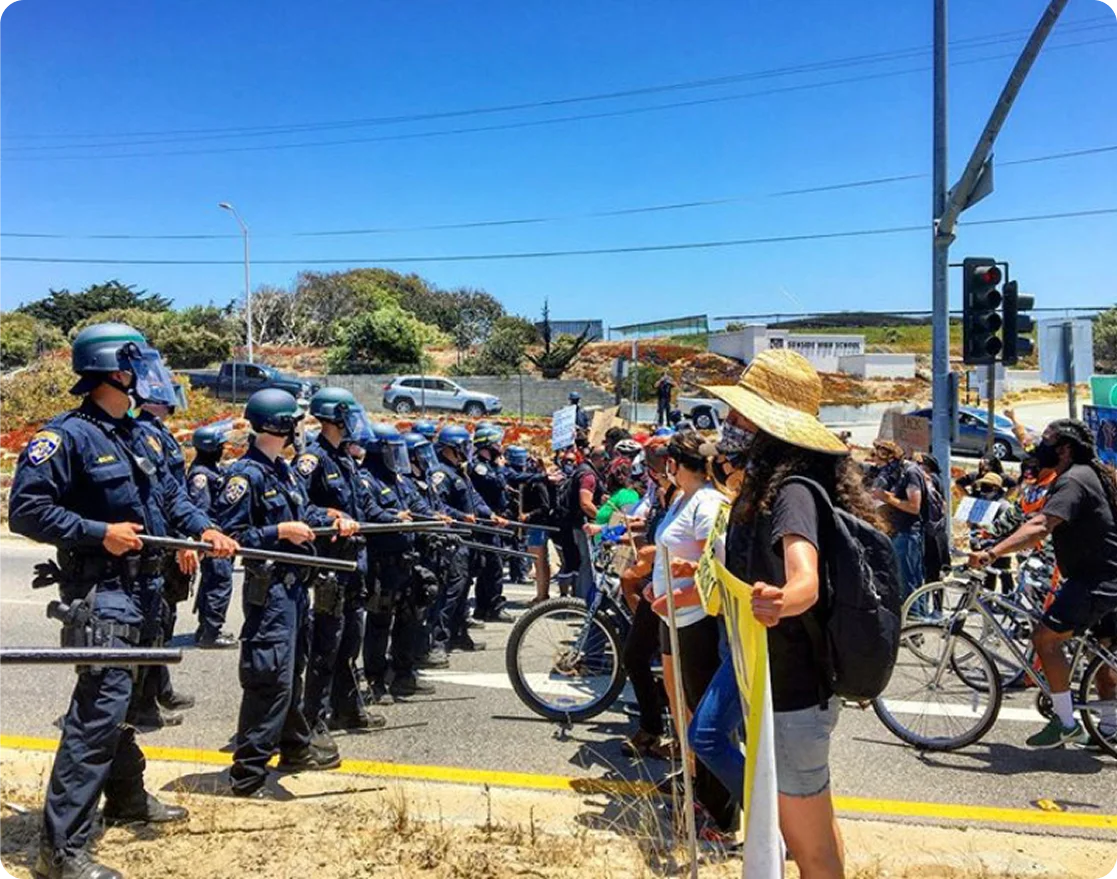 Photo Courtesy: BHCMC

Rising Through the Flashpoints
In Salinas, community organizing took shape as a response to a series of painful events—police violence, harassment on school campuses, and systemic neglect. BHCMC became a trusted convener in these moments, creating space for resident voices and leading campaigns to dismantle the school-to-prison pipeline.
At the same time, an emerging consciousness was growing: Black voices—particularly in Seaside—were being overlooked, under-resourced, and left out of the narrative.
While BHCMC’s roots were deep in East Salinas, it was time to evolve—not to step away, but to reach further. To deepen our roots and broaden our embrace. Expanding meant listening more closely, showing up more fully, and building with even greater intention alongside the communities who have always led.
With the Monterey County Black Caucus (MCBC), a core part of BHCMC, the movement evolved — not just in structure, but in purpose and power. What began within BHCMC grew into a Black-led force for racial justice that now stands boldly at the forefront of change in the county. MCBC embodies Black excellence, vision, and leadership — confronting anti-Black racism head-on while lighting the way forward.
Together with the broader BHCMC community, they’ve worked to heal historical divides, elevate Black organizing, and foster true accountability between government and the people. This is what solidarity looks like: rooted in love, led by truth, and driven by the shared belief that none of us are free until all of us are free.
The Turning Point: Eastside to Seaside March
In the summer of 2020, following the murder of George Floyd, a reckoning swept across the country—and Monterey County was no exception. Students from Alisal High and Monterey High—schools once separated by racial rivalry—came together to organize the Eastside to Seaside March.
They walked miles—13 from East Salinas, 6 from Seaside—to meet in the middle and stand united against anti-Blackness. The act was symbolic with Salinas participants walking a further distance. Purposeful. A public apology and a renewed commitment. Our young leaders showed what it means to turn pain into purpose. They showed us what solidarity in action looks like.
A Healing-Centered Organizing Approach
Today, Black and Brown solidarity is not just a vision; it’s a daily practice. It’s embedded in the core strategies BHCMC employs:
- Community Healing & Spirit: Deep relationship building and addressing trauma toward building solidarity, countering isolation and in some cases, spiritual warfare.
(Credit: Organizing Rootz) - Base-Building & Leadership Development: Empowering residents to move up on leadership ladders and grassroots organizing.
- Political Education: Unpacking the root causes of community conditions—racism, patriarchy, anti-Indigeneity, anti-Blackness—through storytelling and shared analysis.
- Racial Equity Narrative Strategy: Challenging harmful status quos by centering new stories of resilience and joy.
- Community Accountability: Holding both systems and ourselves accountable to the people we serve.
These are more than checkboxes. They are lifelines.
Through Black-led cultural events, healing circles, and shared celebrations like Juneteenth, Seaside residents have created spaces where Black joy can thrive—where dignity is restored and honored. Brown community members have increasingly shown up, not just as allies, but as partners in building something more just.
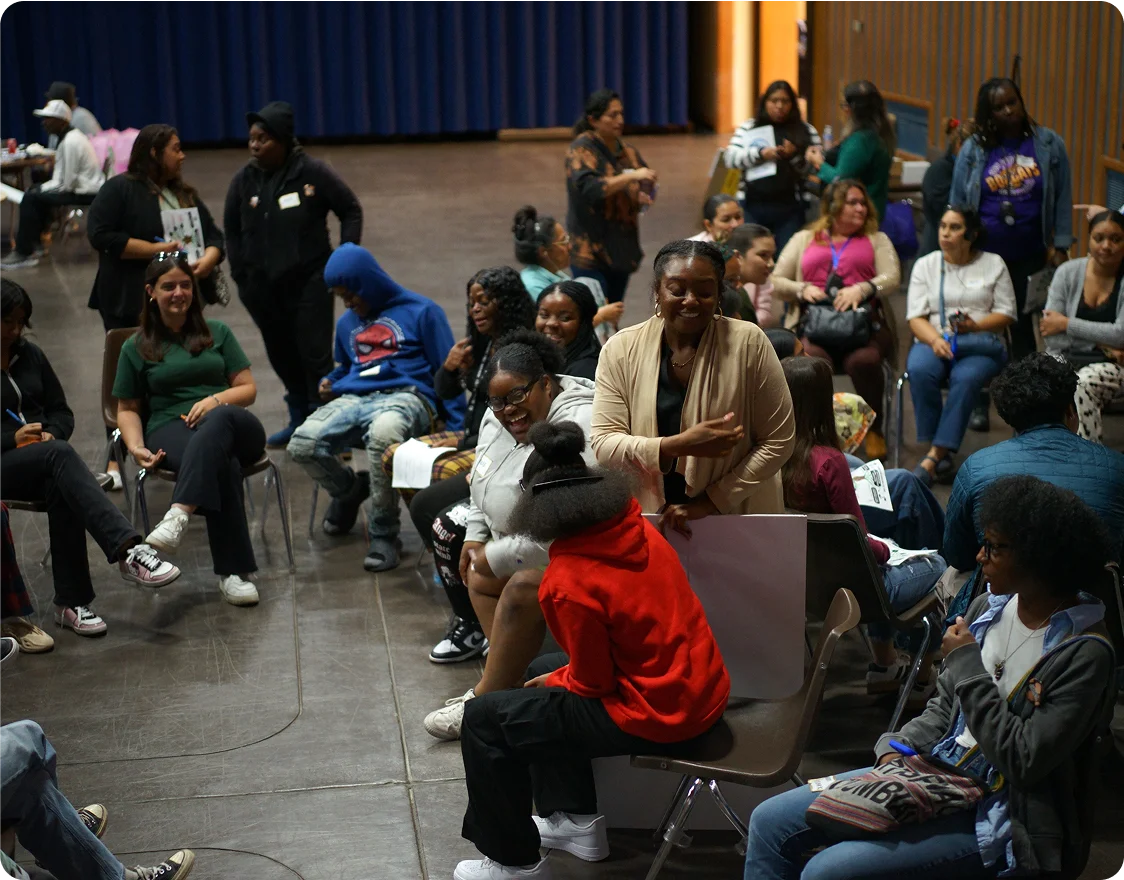 Photo Courtesy: BHCMC

From Pain to Power: How a Moment of Harm Sparked a Movement (The Babydoll Incident)
In 2021, a deeply disturbing act shook Monterey County: a Black baby doll was dragged and stomped on during a high school football game. It was more than a hateful gesture — it was a mirror held up to our community, exposing the deep, enduring roots of anti-Blackness in our schools. The pain was immediate, visceral, and undeniable. But what happened next was even more powerful.
Black and Brown students, families, and community organizers refused to be silent. They rose up — not just in outrage, but in purpose. They demanded more than an apology. They demanded transformation. That moment of harm became a turning point: a rallying cry for justice, dignity, and healing.
In the days that followed, schools opened their doors to restorative justice circles led by youth and community leaders. Antiracism education began to take root in classrooms. Safer, affirming spaces were created for Black youth to not only feel protected — but honored.
And something else happened too: the dialogue deepened. What started as a confrontation with anti-Black racism grew into honest conversations about anti-Indigeneity and other forms of systemic oppression. Through that dialogue came understanding — and through understanding, a more united community.
This wasn’t just a moment of reckoning. It was a moment of awakening. And from that pain, a more powerful, more connected movement was born — led by the very people most impacted.
Students and families who had been historically left out of conversations up to this moment as critical partners for solutions, now have brought the intergenerational community to hold systems accountable, asking for a commitment to addressing the absence of culture, practices and policies of Black inclusion.
When we talk together, we grow together.
Difficulty, Imperfection, and Deep-Rooted Commitment
This work is not easy — and it was never meant to be. We don’t have all the answers. We stumble, we unlearn, we get it wrong, and we try again. We make mistakes. We face discomfort. Our commitment runs deeper than perfection. Because Solidarity isn’t a destination or a finish line — it’s a choice we make every single day. To keep showing up. To keep listening. To keep learning.
What keeps us going is the constant truth that our futures are intertwined — that Black and Brown liberation are not separate struggles, but one shared path. And walking that path means committing to collective healing, accountability, and power-building. Even when it’s hard. Especially when it’s hard.
From immigration justice to child safety plans, from school board meetings to festival stages, BHC Monterey County and its partners are investing in the kind of deep, transformative change that lasts. It’s not just strategy—it’s heart work.
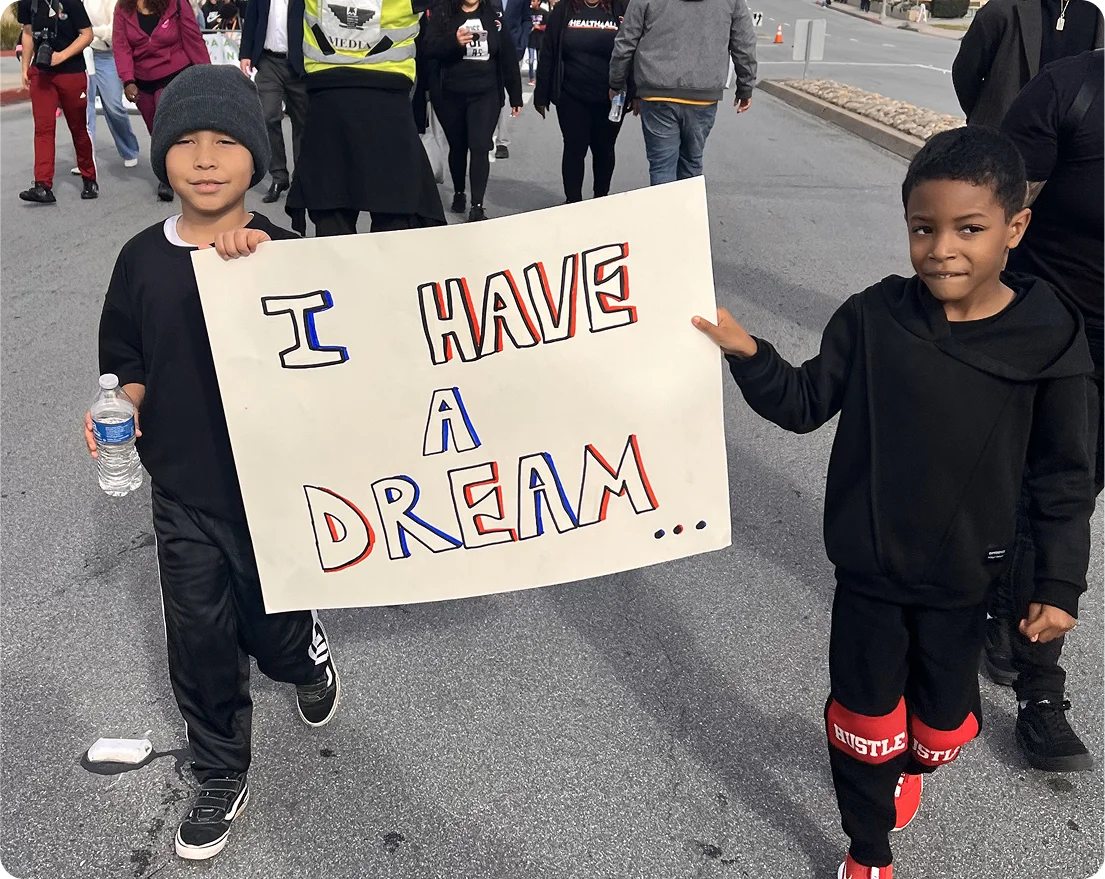 Photo Courtesy: BHCMC

We’re building trust where there once was tension. We’re building voice where there was silence. We’re building power where there was disinvestment. And we’re doing it together.
Black and Brown communities in Monterey County are not just surviving.
Together we are better, we are stronger, and we are ALL healthier for it.
UP NEXT
Impact Investing
Providing financing and technical assistance to residents of manufactured home communities.
2025 Annual Report
 Download PDF