
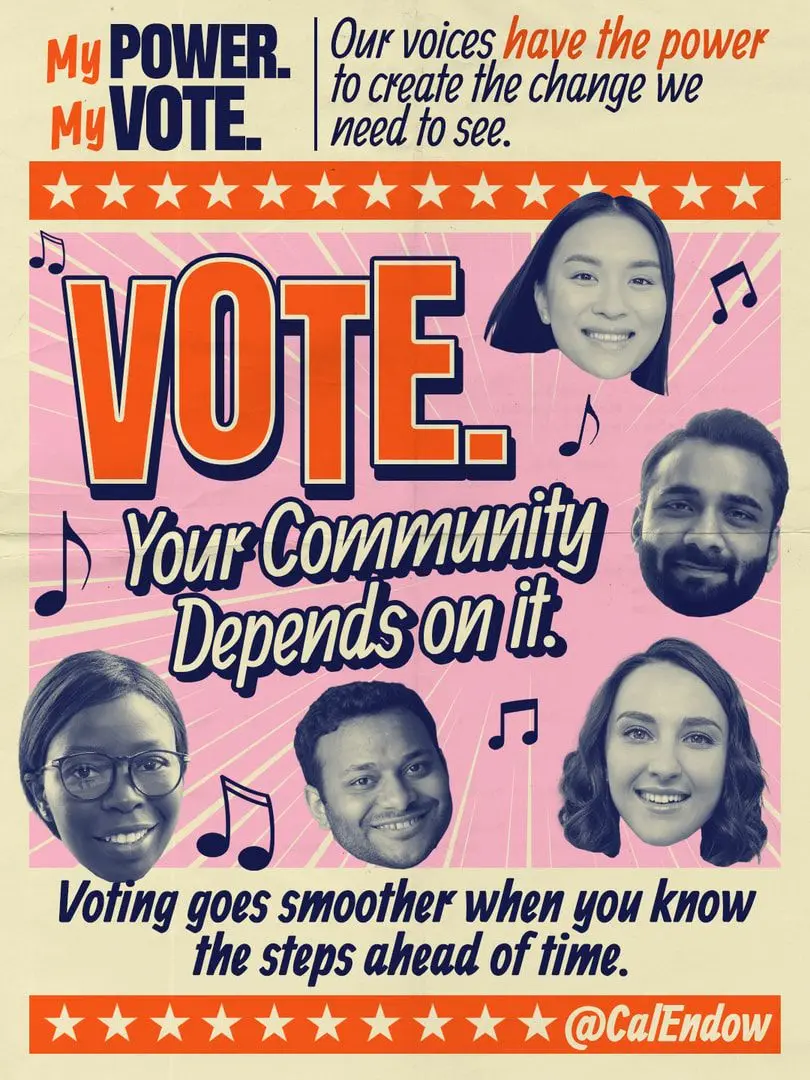
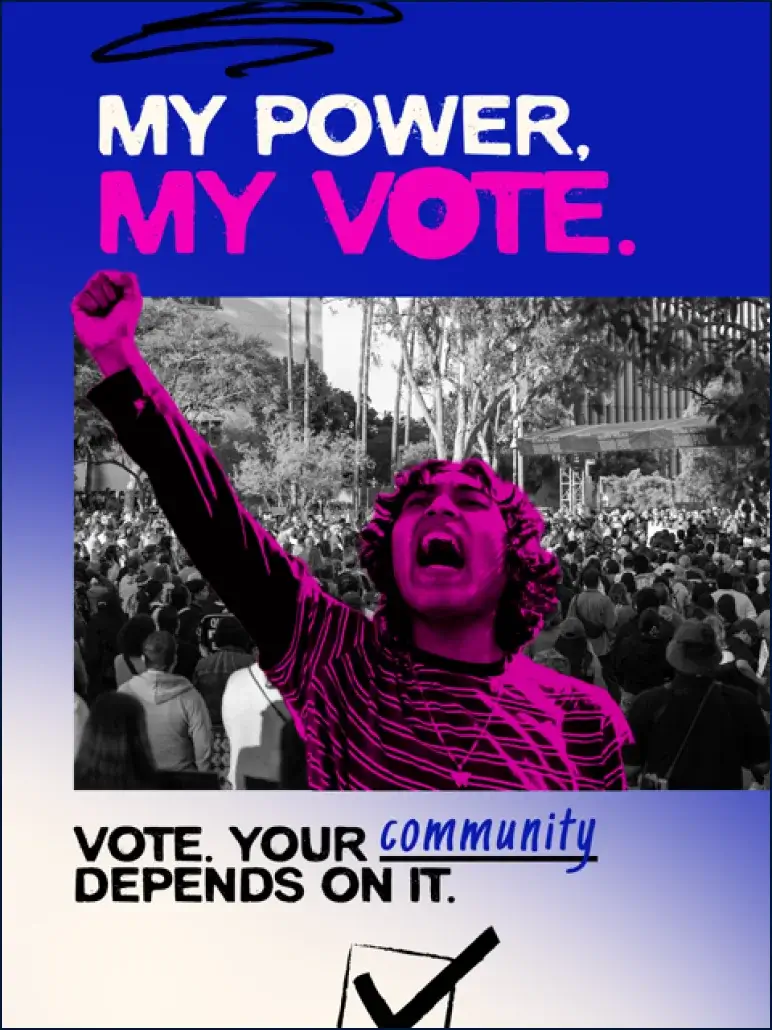
Vote. Your community Depends On it.


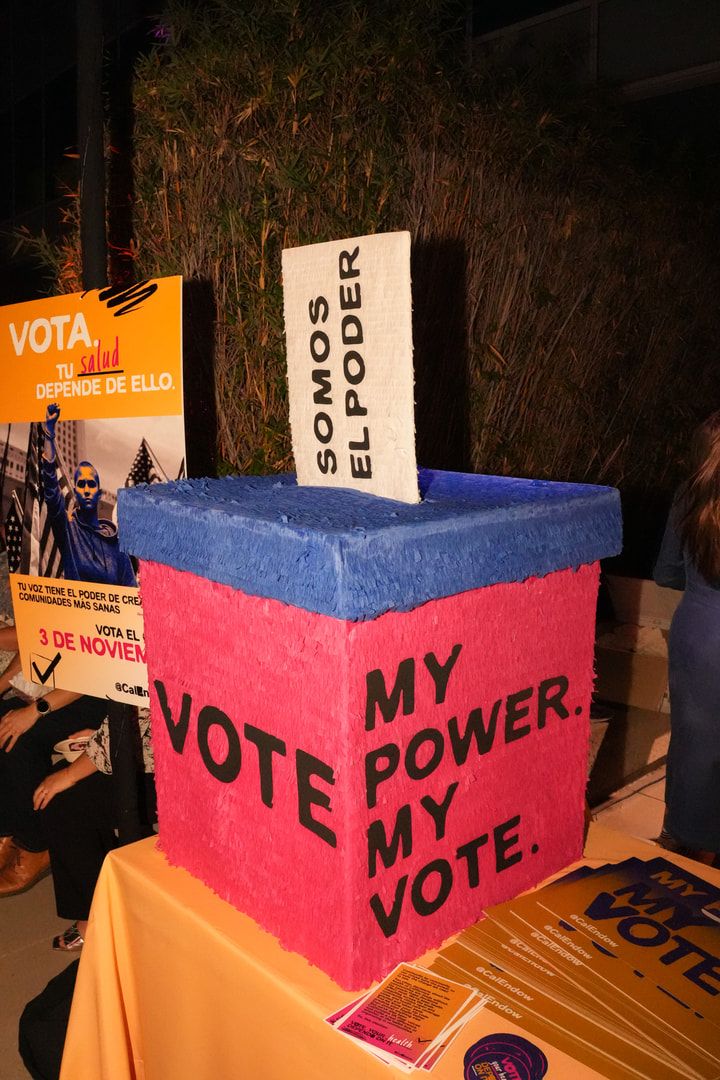
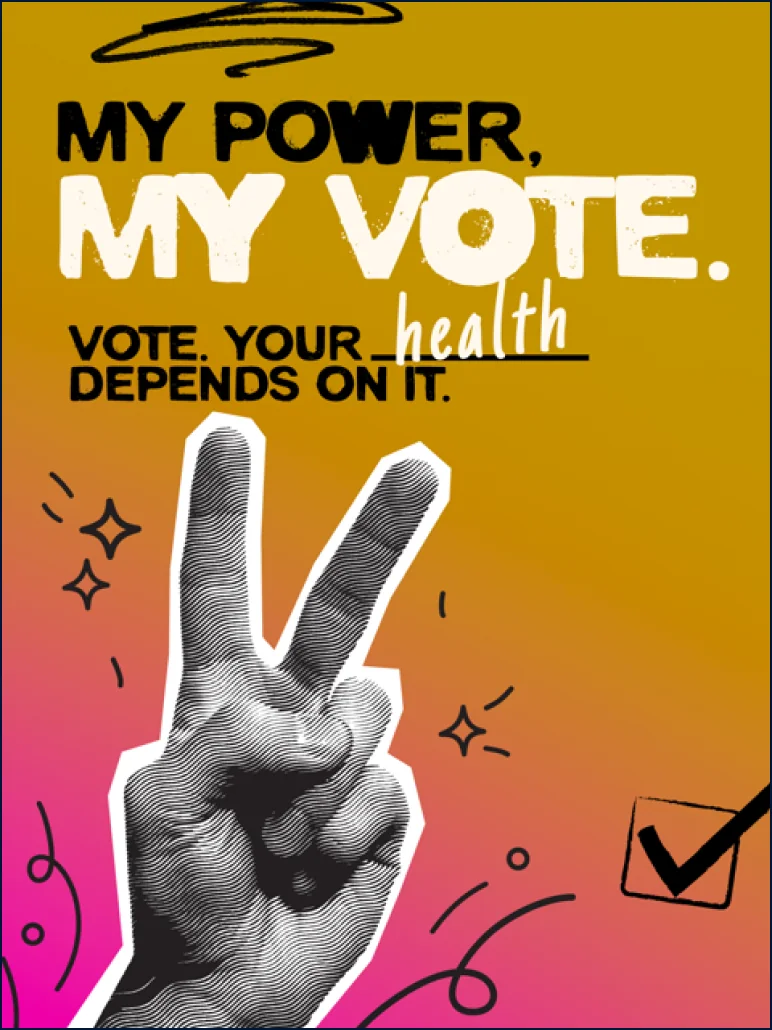
My power. My vote.

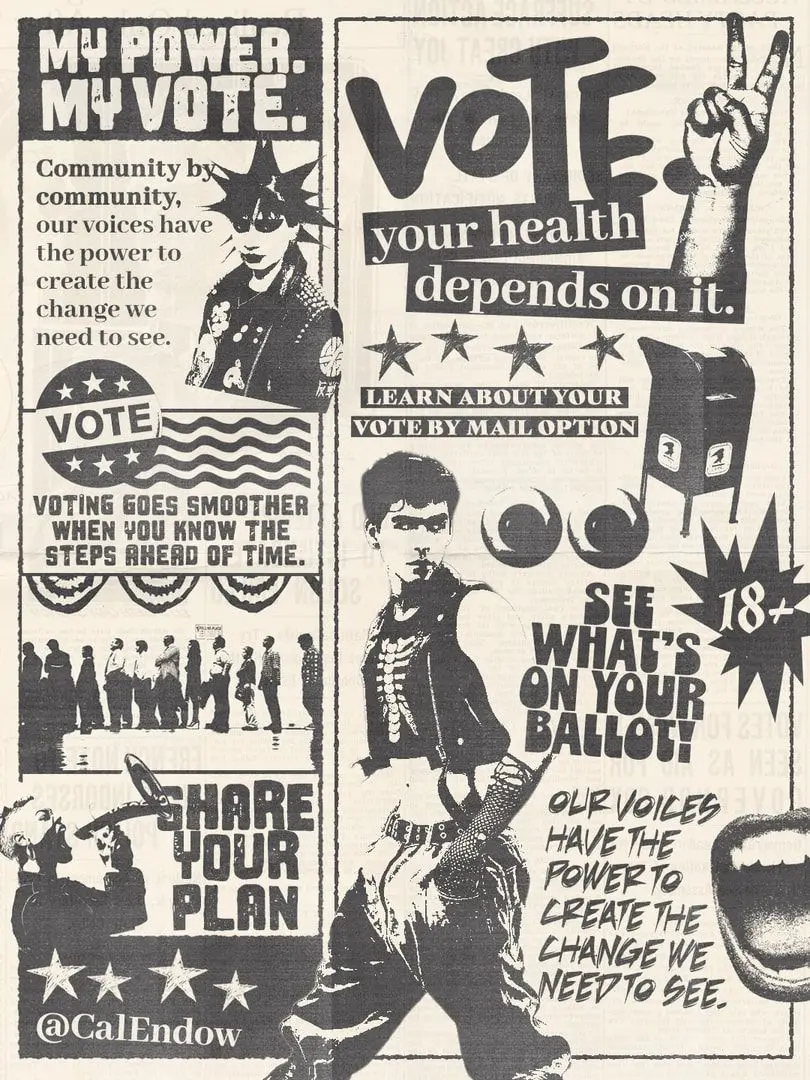
Community by community, our voices have the power to create the change we need to see.
Too often, decisions about the health of California’s communities are made without the input of the people these decisions affect most. We’ve seen health inequities across the state, community clinics open and close, and health care coverage granted and taken away. And we know your zip code predicts your health better than almost anything else.
But we’ve also seen Californians lift up their voices and make a real difference, whether at the ballot box or organizing in communities. Just a few years ago, California expanded access to health care for millions of Californians.
That didn’t happen by accident. People made their voices heard through organizing, voting and telling their stories.
Right now, the systems designed to help people make ends meet are falling apart. We can’t afford to stay home on November 3.
Hear from Brenda Solórzano, our President and CEO, on why voting matters for the health of our communities.
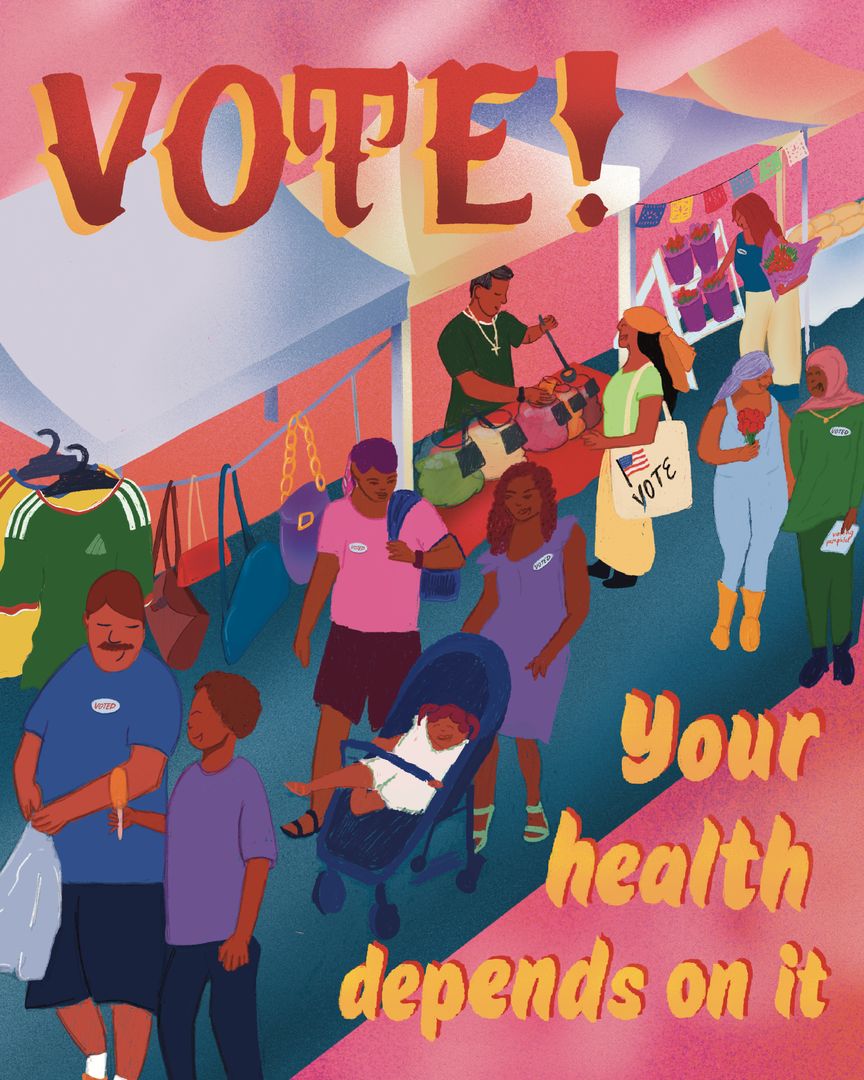
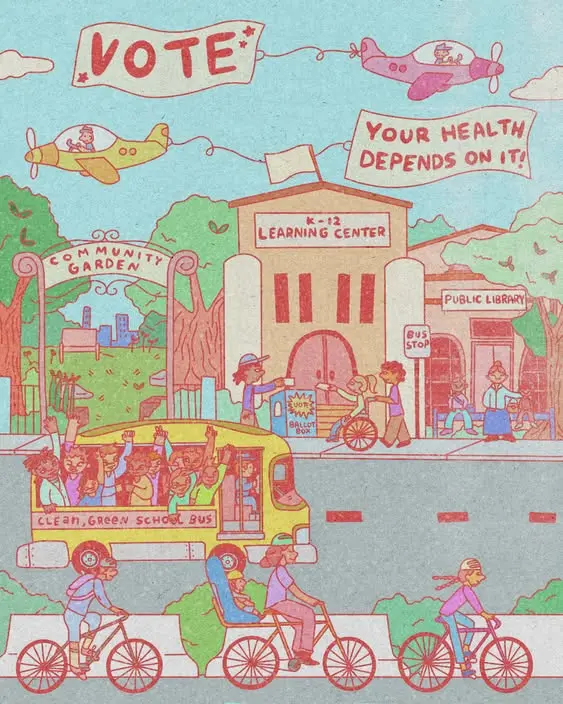
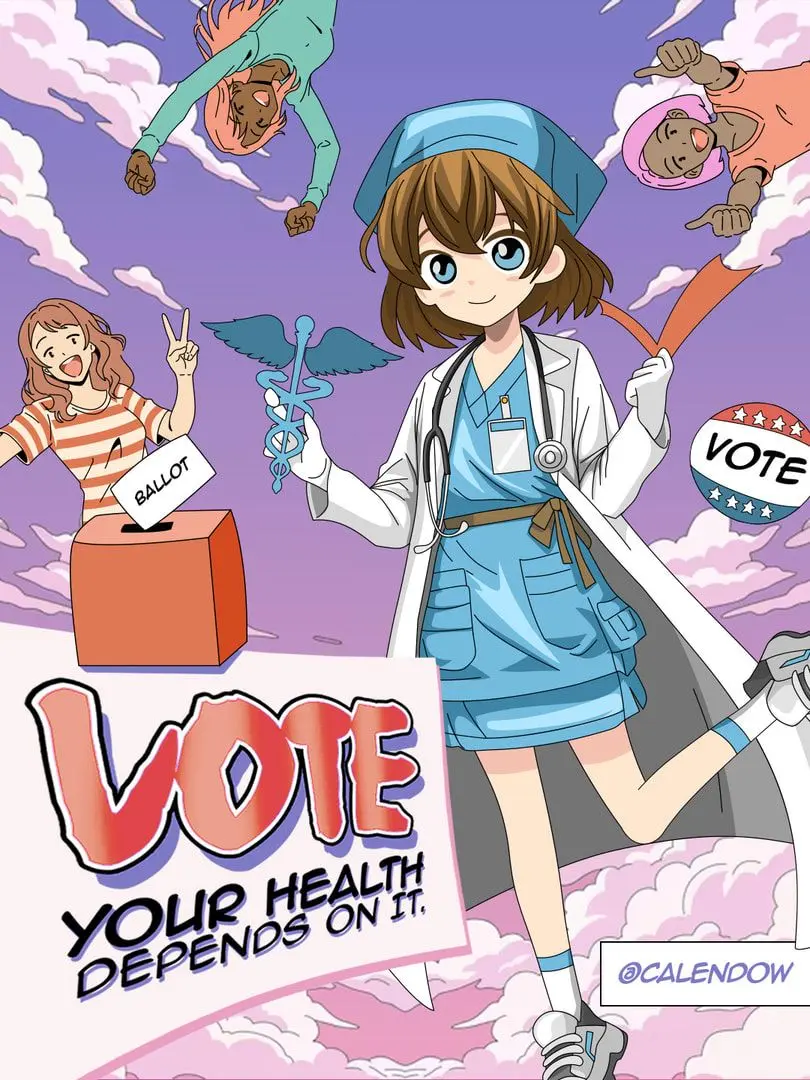
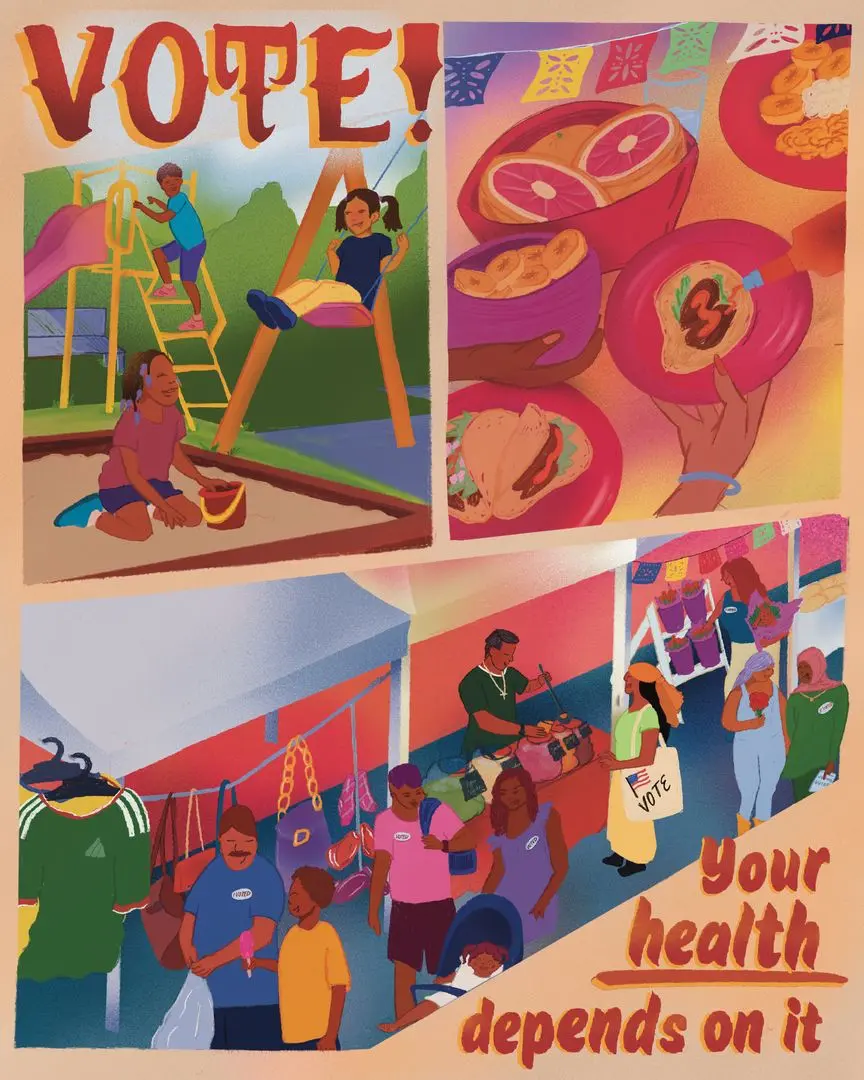
So, this election: Vote. Your Health Depends On It.
The California Voter Bill of Rights
You have the following voting rights
If you believe you have been denied any of these rights, or you are aware of any election fraud or misconduct, please call the Secretary of State’s confidential toll-free Voter Hotline at (800) 345-VOTE (8683).
Make a Voting Plan
Your voice is your power. Get involved.
Voting goes smoother when you know the steps ahead of time. Here is what to sort out before your ballot is due.
Check your status, especially if you moved or changed your name.
- Every registered voter gets a ballot in the mail. Sign up for alerts to know when yours is sent and counted. No ballot or received a damaged one? Contact your county elections office to request a new one.
- Fill it out at home, at your own pace. Make sure to sign the envelope.
- Return it by mail postmarked by November 3, at a drop box, or at any voting location.
- Look up your polling location to see where you will need to go if voting in person.
- You do not have to wait for Election Day. Early voting starts up to 29 days before an election but varies by county. Check with your county elections office for details.
- Find out what your ID requirements are to vote.
- Your ballot has state and local offices, propositions, and usually a few local measures.
- The Official Voter Information Guide explains every measure: what yes does, what no does, and both sides’ arguments.
- Read them at home and mark your choices before you go.
- Tell your friends and family what you figured out while making your plan. Most of it will be news to somebody.
- Encourage them to make their own. Asking when and where they plan to vote is usually enough to get someone started.
- Offer to go together, or to walk a first time voter through it. Plans people make with someone else are the ones that happen.
Campaign media
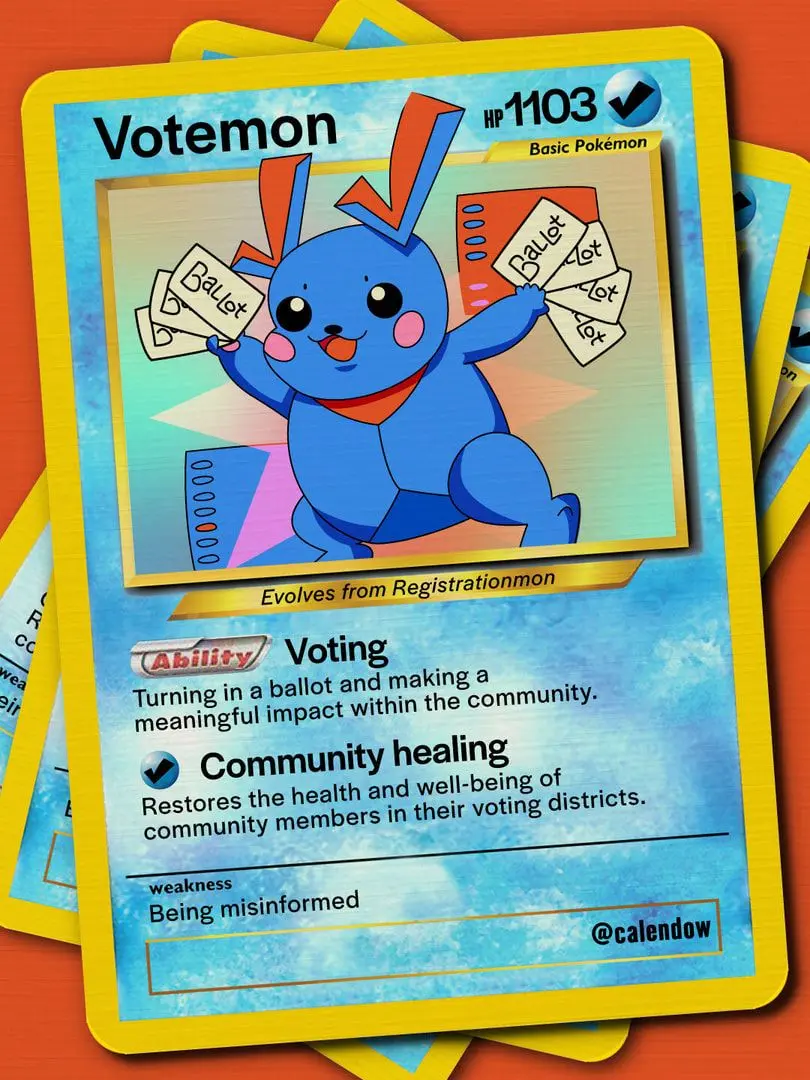
Toolkit
#Vote4Health
Inspire your friends, family, and neighbors to vote and make their voices heard on the issues that impact their lives.
Help Get Out The Vote